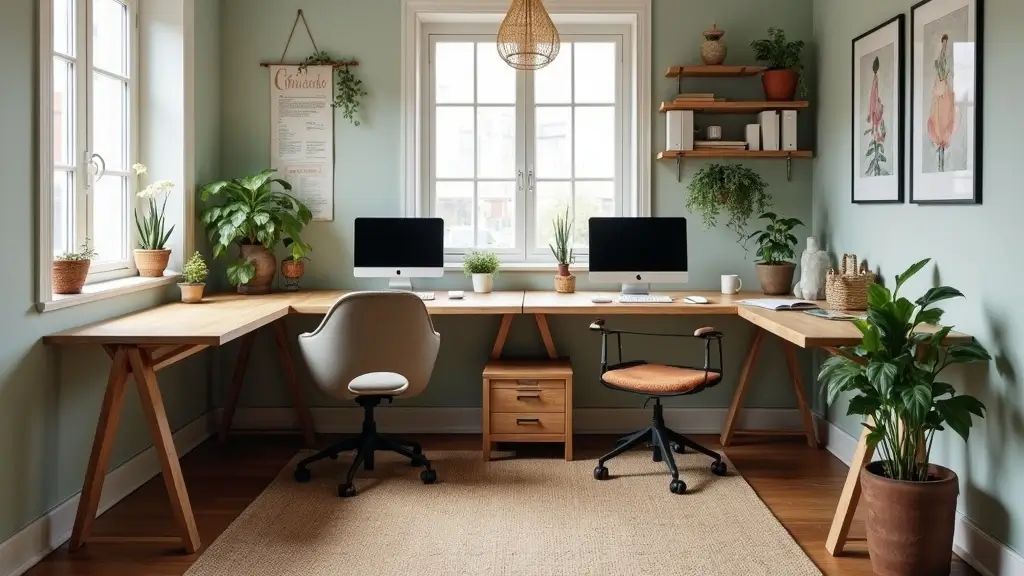
Creating a shared home office can be both a challenge and an adventure for couples or roommates.
It’s all about finding that perfect balance between functionality, aesthetics, and personal comfort.
Whether you’re striving to keep productivity high or just want to carve out a cozy corner that feels like a retreat, these 30+ shared home office ideas will inspire you to bring out the best in both your workspaces.
Let’s explore some creative setups, clever storage solutions, and beautiful decor tips that’ll help you maximize your small space while complementing each other’s styles.
1. Dual Desk Delight
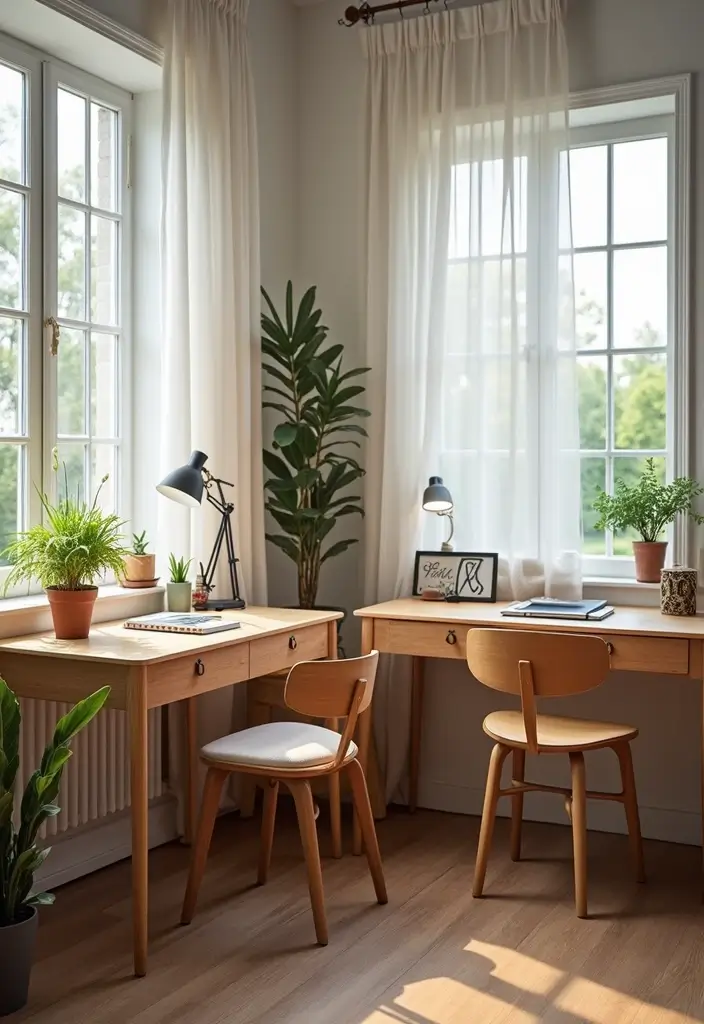
Two separate desks can be an ideal solution for shared spaces.
Consider matching desks for a cohesive look, or mix and match styles to express individuality.
Position both desks facing each other or side by side; this encourages communication while allowing for personal space. Think about utilizing corner desks if you’re dealing with limited room.
Customize your workspace with individual decor items like photos or personal plants and use dividers for added privacy.
– Choose ergonomic chairs that complement your desk style.
– Add personal touches, like a favorite mug or a small plant.
– Ensure good lighting is available for both desks, which can be achieved with a stylish floor lamp or a desk lamp.
– Use a shared charging station to keep cords organized and out of the way.
– Plan for cable management to maintain a tidy appearance throughout the office.
A shared home office can be a harmony of productivity! Pair matching desks for style, or mix them up for personality—after all, creating your own work zone is key to thriving together.
2. Floating Shelves for Storage
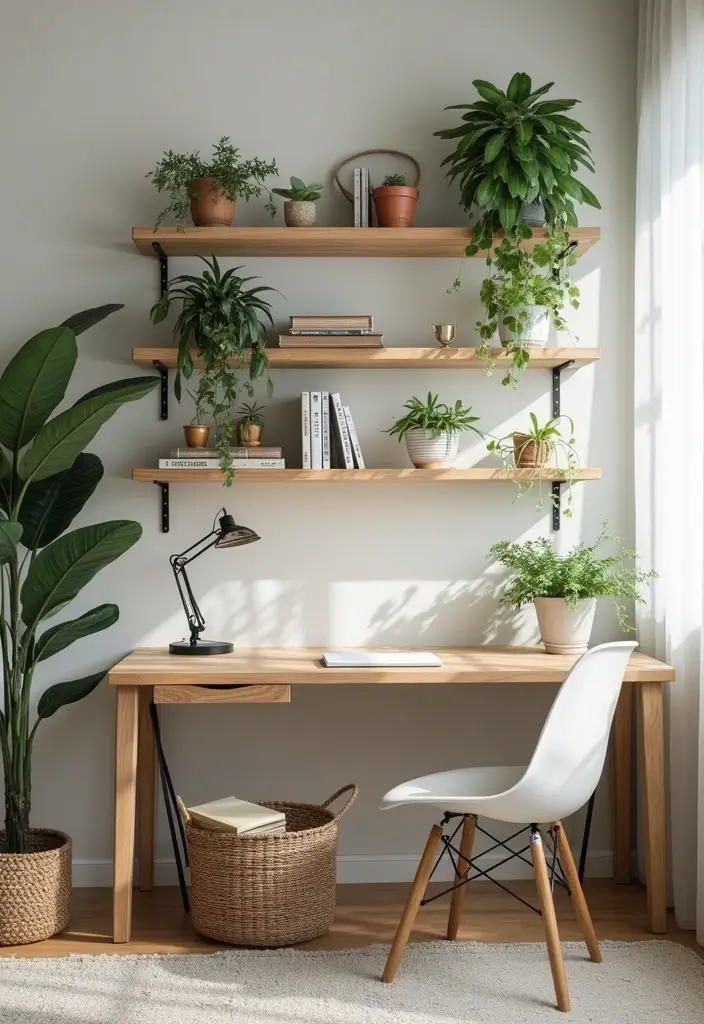
Floating shelves are the perfect solution for maximizing vertical space while keeping your office organized.
Install shelves above or beside the desks to store books, supplies, and decorative items.
This not only frees up desk space but also adds an element of style. Choose natural wood or sleek metal shelves based on your decor theme.
– Use decorative baskets or boxes on the shelves for extra organization.
– Incorporate plants on shelves to liven up the room while improving air quality.
– Consider a color scheme that harmonizes the shelves with your wall and furniture.
– Create a mini library by organizing books on the shelves, segmented by themes or colors.
– Hang small artwork or photos on the shelves for a personal touch.
3. Color-Coded Organization
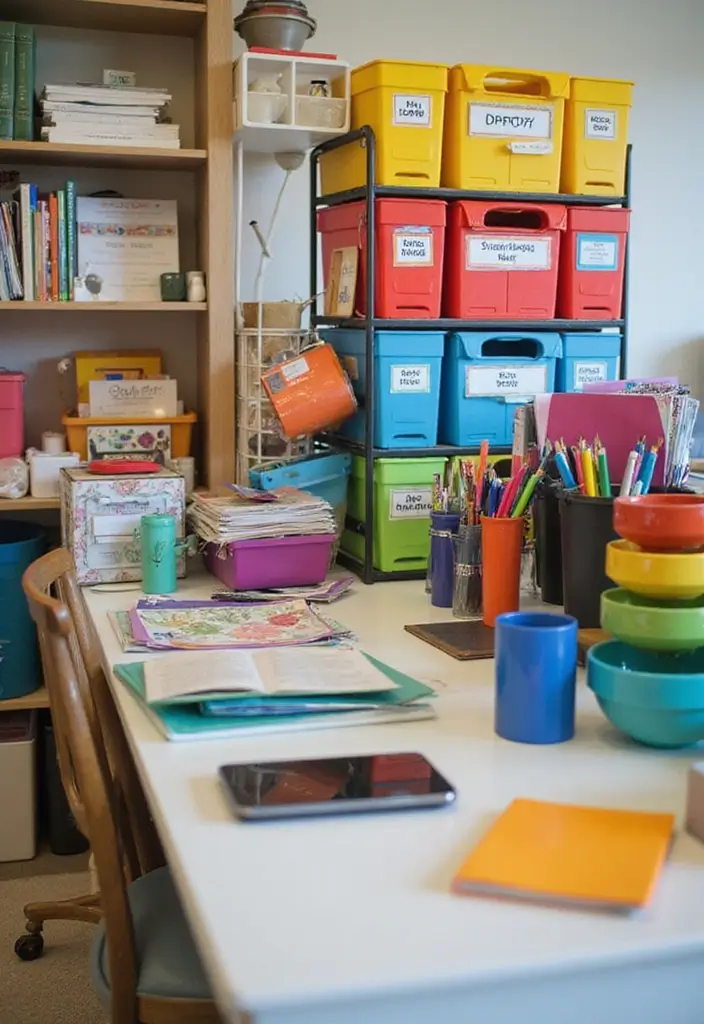
Implementing color-coded organization can make your shared workspace both functional and visually appealing.
Use different colors for files, supplies, and decor that correspond to each person’s preferences or work type.
This not only keeps you organized but can also add a burst of personality to the space.
– Invest in colored file folders, sticky notes, and desk accessories that match your scheme.
– Use a color palette that complements the overall room design.
– Consider a color wheel to inspire unique combinations while maintaining harmony.
– Opt for color-coded labels on storage bins to make them easily identifiable.
– Personalize your workspace by integrating your favorite colors into decor items like cushions or wall art.
4. Collaborative Work Table
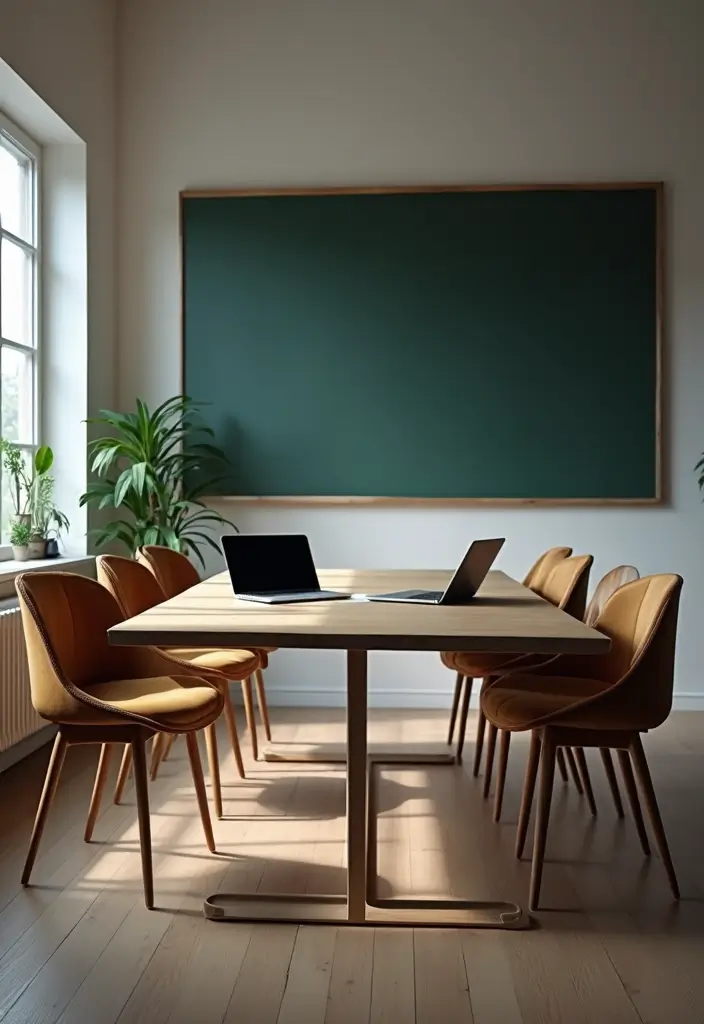
Sometimes you need to brainstorm together! A shared work table can facilitate collaboration.
Choose a larger table that allows both parties to spread out documents and laptops. Use a round table for a more intimate setting, or an elongated rectangle for a more professional vibe.
– Ensure the table height is comfortable for both users, especially if you’re choosing chairs.
– Add a whiteboard or chalkboard on the wall nearby for quick note-taking during discussions.
– Include a couple of comfy chairs to keep things relaxed.
– Use a table centerpiece, like a vase of flowers or a shared plant, to create a focal point.
– Establish boundaries on the workspace for personal items to minimize clutter.
A great collaboration starts with the right space! A well-chosen table can spark creativity and keep ideas flowing. Make it comfy and functional, and watch your teamwork thrive!
5. Luxury Touches in a Small Space
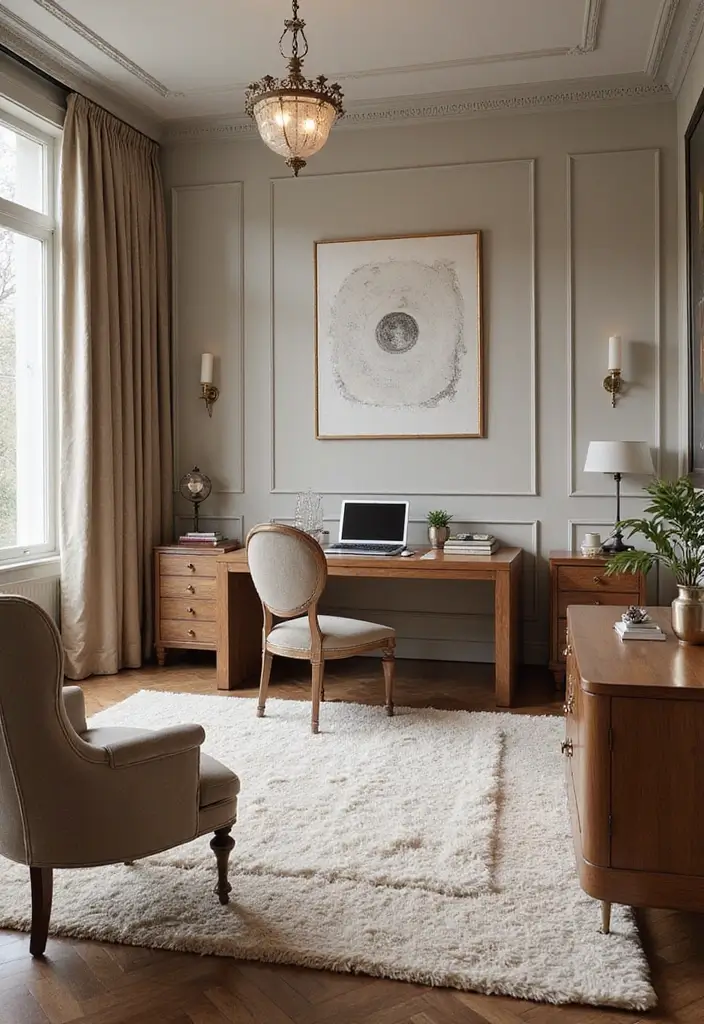
Who says a small office can’t feel luxurious? Incorporate upscale decor elements to create a chic space that feels indulgent yet functional.
Think elegant desk accessories like metallic pen holders or a plush rug underfoot.
Mirrors can also help create an illusion of depth and light, making the space feel larger and more sophisticated.
– Select decorative storage boxes that are both functional and visually appealing.
– Add a stylish chair that’s comfortable enough for long hours yet adds a luxurious vibe.
– Incorporate rich fabrics or textures in the form of curtains or cushions.
– Use art pieces or sculptures that evoke interest while defining your style.
– Layer different lighting options, such as ambient and task lighting, for a cozy atmosphere.
6. Pegboard for Dynamic Decor
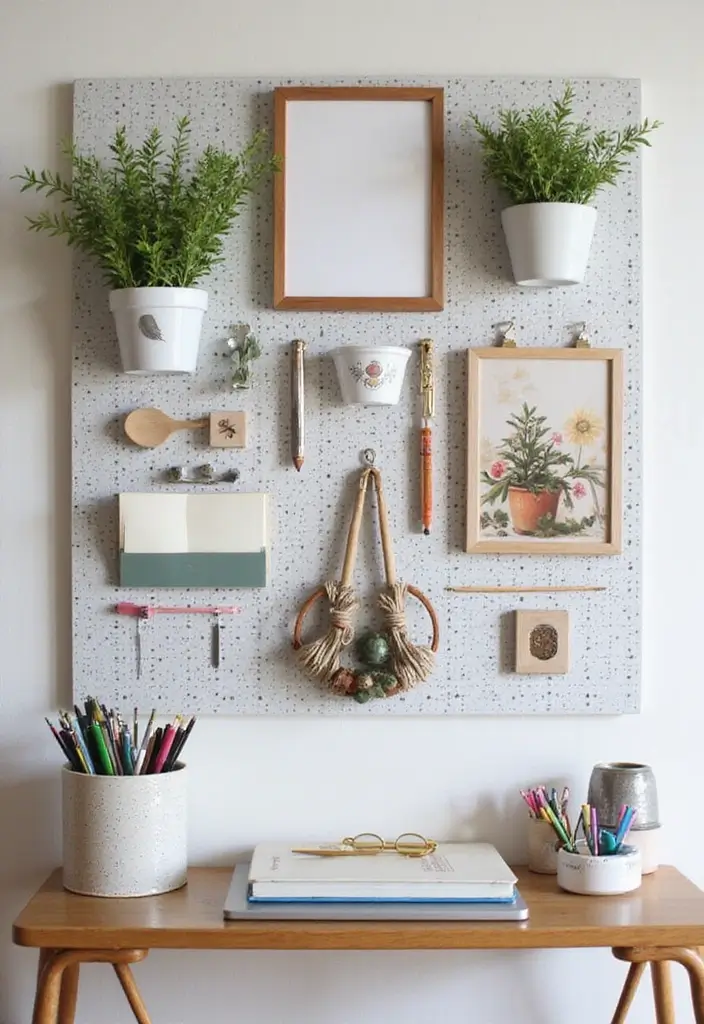
A pegboard can serve as both a workspace organizer and a decorative element.
Hang it above your desks to keep essential tools within reach while adding a bit of personality with colorful hooks and accessories.
You can easily change what’s displayed based on seasons or your current projects.
– Paint the pegboard to match your decor, or leave it natural for a rustic look.
– Use it to hang frequently used items like scissors, notes, and planners.
– Incorporate mini-planters or artwork for added visual interest.
– Arrange your items in a way that reflects your personal style.
– Make use of small baskets on the pegboard for extra organization.
7. Cozy Reading Nook
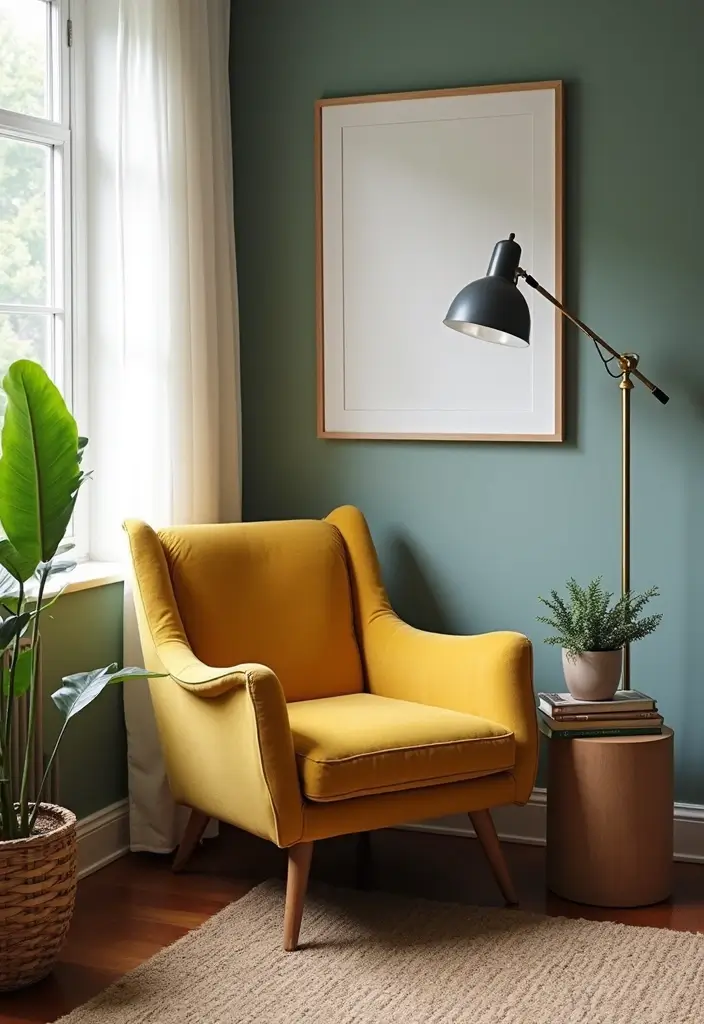
If space allows, why not create a cozy reading nook?
This can serve as both a spot to unwind and a place for quick brainstorming or reading through materials. A simple armchair with a small side table in a corner can do wonders to enhance the functionality of your home office.
– Add a floor lamp to provide ample light for reading.
– Incorporate cushions or a throw blanket to increase comfort.
– Use the side table for books or notepads for easy access.
– Create a small shelf nearby for books you want to reference often.
– Personalize the nook with a piece of art or a plant to make it inviting.
8. Smart Storage Solutions
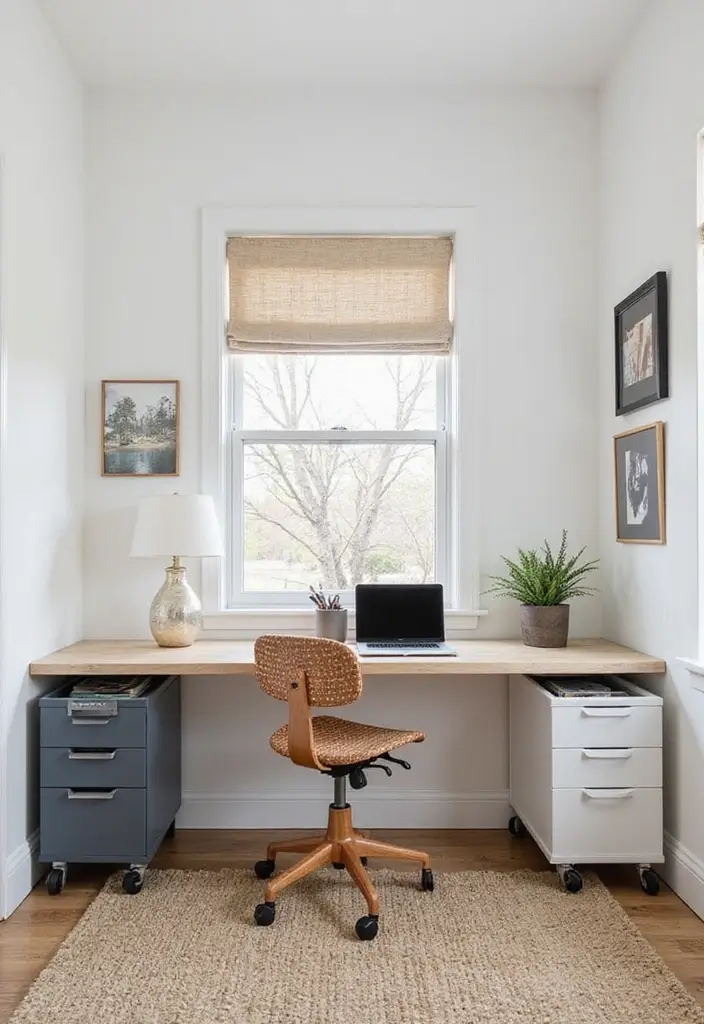
When dealing with a small space, it’s all about smart storage solutions.
Use under-desk storage drawers, wall-mounted cabinets, or multi-functional furniture to keep everything tidy.
Look for storage pieces that can blend into your decor for a stylish finish.
– Use baskets under the desk to hold miscellaneous items.
– Opt for a desk that comes with built-in storage options.
– Consider rolling carts for mobility and additional workspace when needed.
– Implement drawer organizers to keep supplies sorted.
– Choose shelving that matches your room’s aesthetic for a cohesive look.
9. Consistent Color Scheme
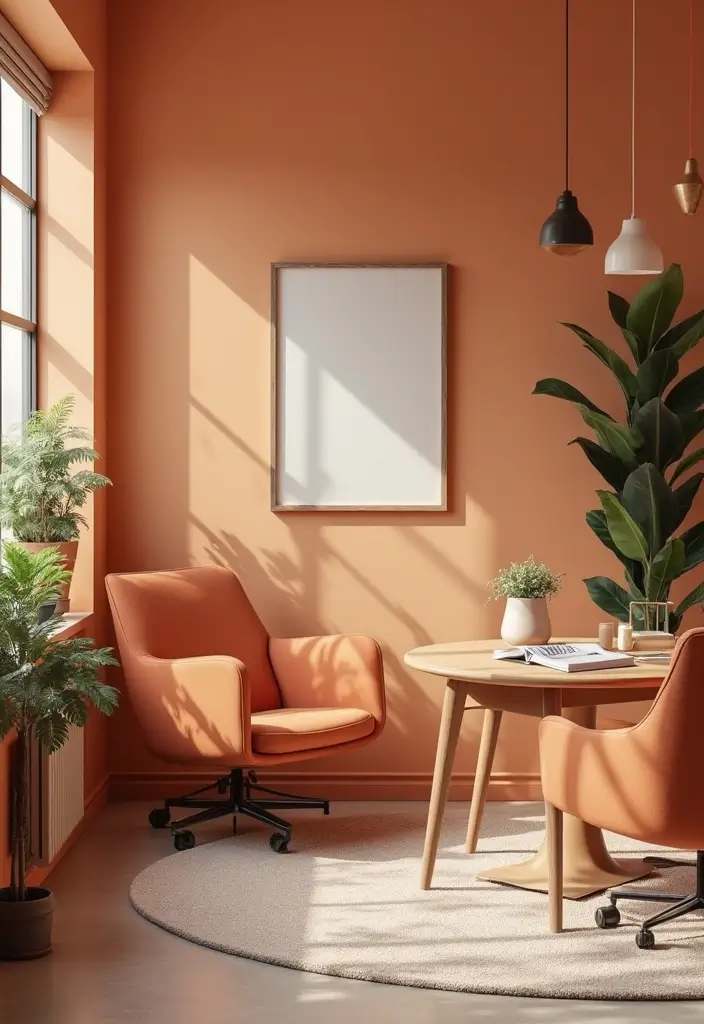
Creating a consistent color scheme throughout your shared workspace can tie everything together beautifully.
Begin by selecting a primary color that resonates with both users, then build on that with complementary shades for decor and storage.
This approach makes the environment feel harmonious and intentional.
– Use wall paint, desk accessories, and storage to maintain the color theme.
– Incorporate a mix of textures to avoid a flat look.
– Decide whether to go for a monochrome scheme or mix vibrant colors for a lively atmosphere.
– Rotate seasonal colors for a fresh feel without a complete overhaul.
– Ensure both personal touches maintain the overall color scheme.
10. Nature-Inspired Elements
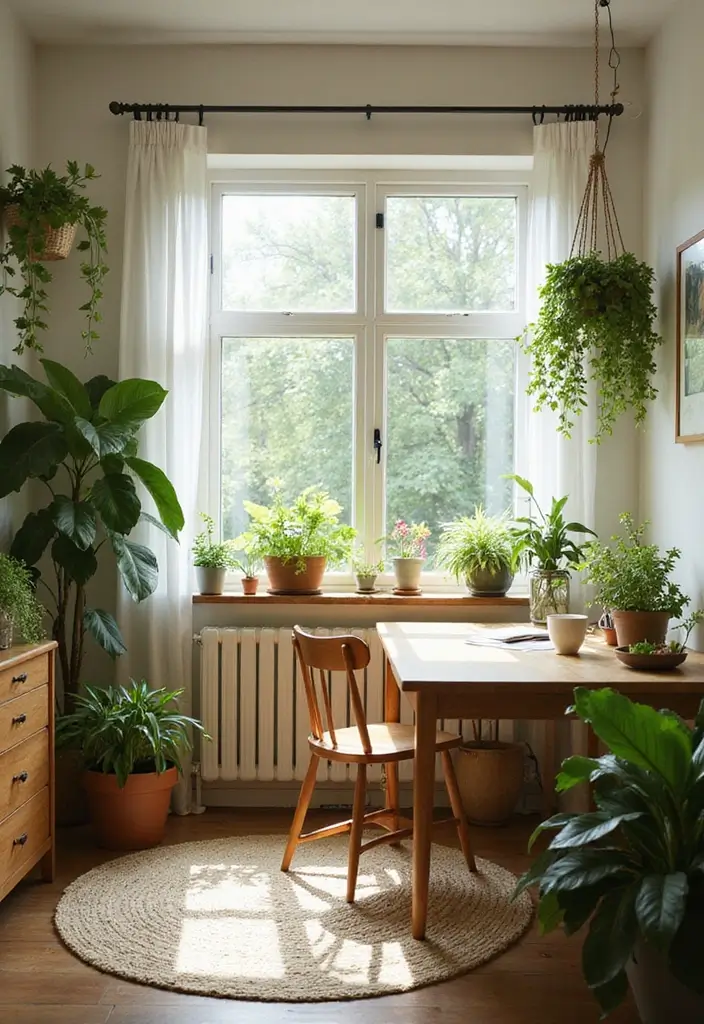
Bringing nature into your workspace can boost mood and productivity.
Consider adding plants, natural wood accents, or even a water feature, if space allows.
Not only do they enhance aesthetics, but they also improve air quality.
– Pick low-maintenance plants, such as succulents or snake plants, for easy upkeep.
– Use wooden furniture to add warmth.
– Incorporate nature-themed artwork to strengthen the connection to the outdoors.
– Position plants near windows for natural light.
– Explore using nature’s colors—greens, browns, and blues—for your office decor.
11. Tech-Friendly Workspaces
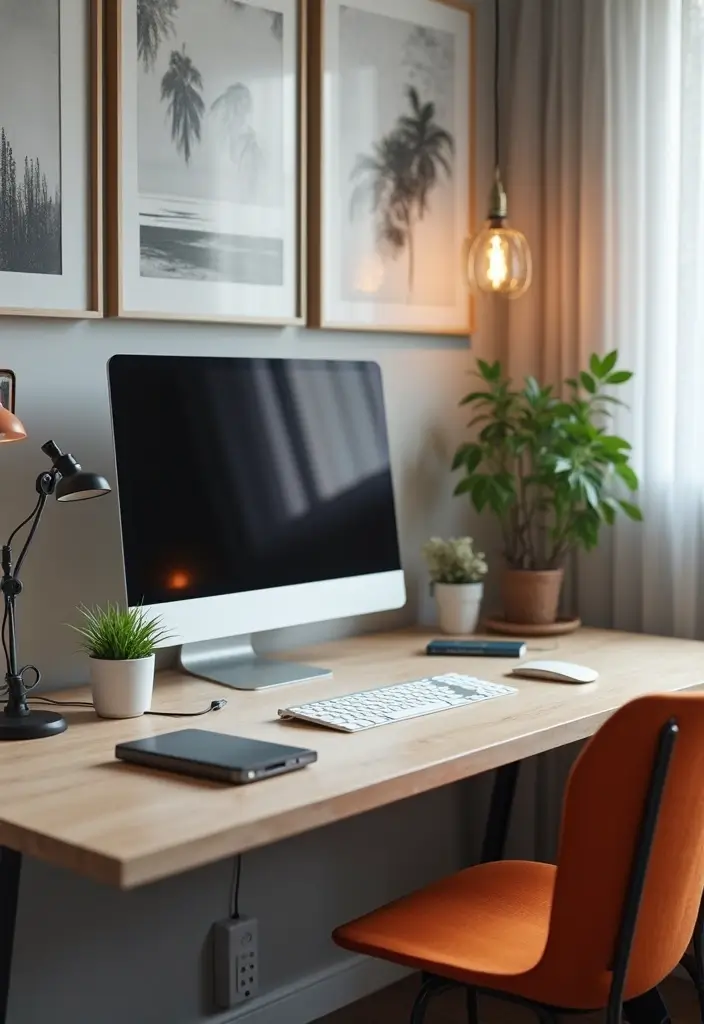
In a world driven by technology, a tech-friendly workspace is essential.
Ensure your shared office has enough outlets and charging stations to accommodate all devices.
Consider wireless chargers to keep the surfaces uncluttered.
– Use cable management solutions to keep cords tucked away.
– Invest in a good quality Wi-Fi router to ensure connectivity.
– Incorporate tech gadgets like smart speakers to enhance productivity.
– Designate a charging station for easy access to devices.
– Select tech that complements your decor, such as stylish speakers or monitors.
12. Personalize with Artwork
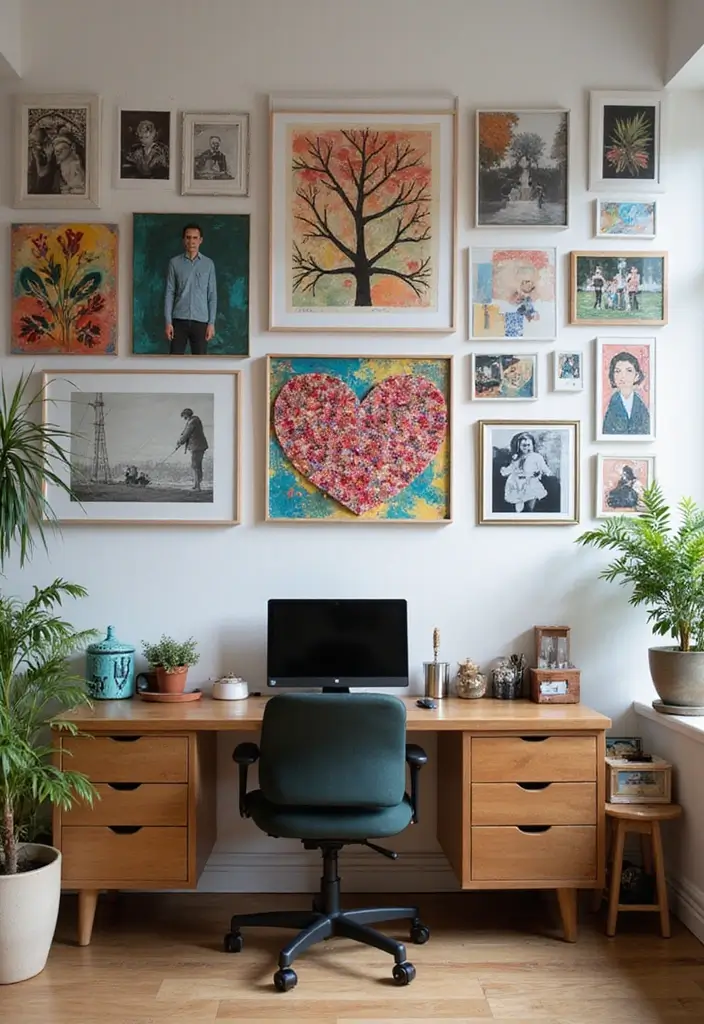
Artwork can elevate your shared office into a beautiful workspace.
Choose pieces that resonate with both individuals to make the space feel like home.
Art can inspire creativity and bring a touch of personality to the environment.
– Hang framed prints, photos, or even a gallery wall for visual interest.
– Use easels for rotating artwork or projects.
– Incorporate wall decals or murals for a unique flair.
– Select art that matches your color scheme for cohesion.
– Include sculptures or 3D pieces for added dimension.
13. Multi-Functional Furniture
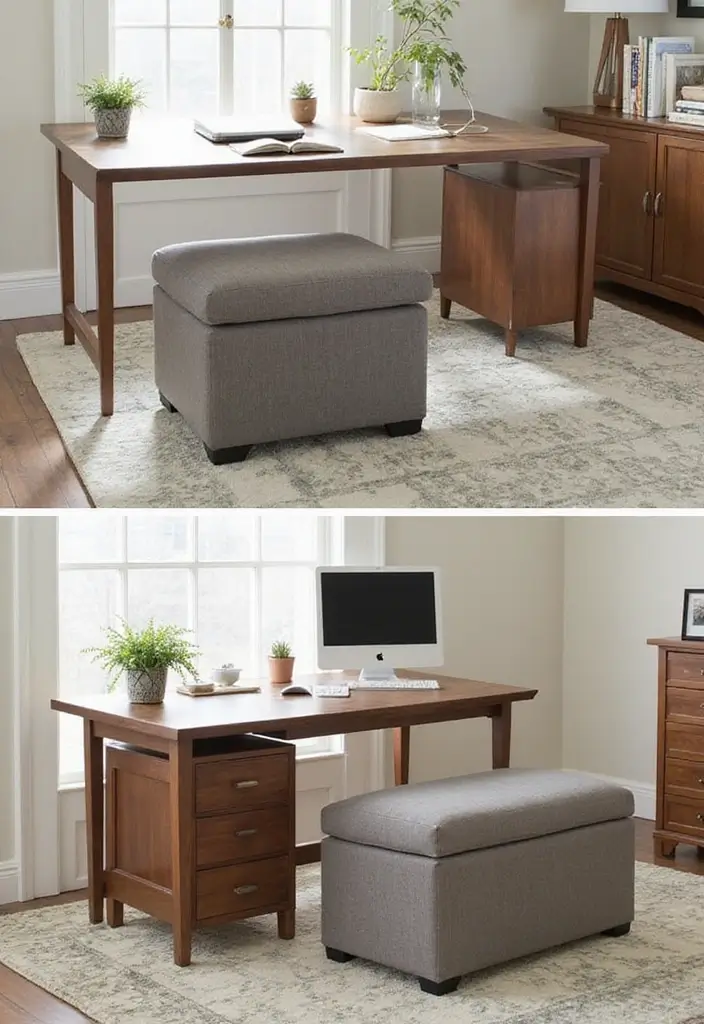
When space is limited, furniture that serves multiple purposes is a game-changer.
Consider a desk that doubles as a meeting table or a shelving unit that can serve as a divider.
This allows versatility without overwhelming the space.
– Use ottomans or benches that can act as both seating and storage.
– Explore convertible desks that can adjust in height for standing or sitting.
– Invest in foldable work surfaces for when extra room is needed.
– Look for modular furniture that can be rearranged as necessary.
– Aim for pieces that maintain the overall design aesthetic of the room.
14. Bright and Airy Spaces
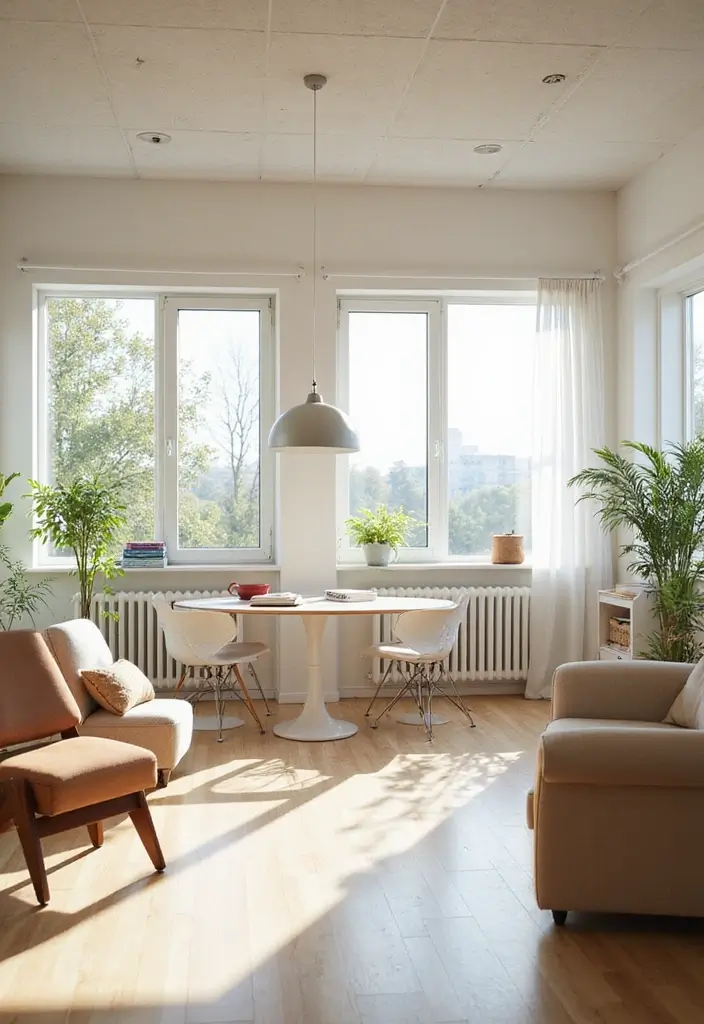
Creating a bright and airy workspace can enhance productivity and focus.
Utilize light colors for walls and furniture, and maximize natural light by using sheer curtains.
This drapes the space in warmth while keeping it open and inviting.
– Add mirrors to reflect light and create the illusion of space.
– Use light-colored rugs to brighten the floor area.
– Choose furniture that doesn’t block light sources.
– Incorporate accents that draw the eye up, like tall plants or wall art.
– Maintain a clean and uncluttered desk to ensure a bright vibe.
15. Focus on Comfort
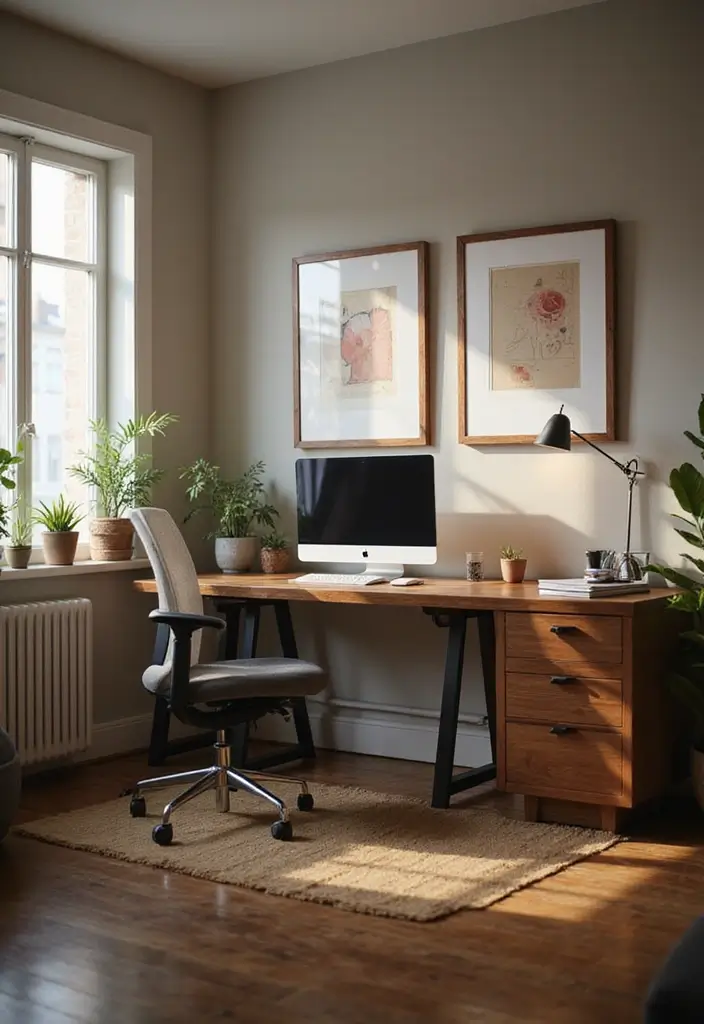
Comfort should never be compromised in a shared workspace.
Invest in ergonomic furniture that offers support during long hours of work.
Consider cushions, footrests, and adjustable desks to tailor the setup to each individual’s needs.
– Use soft lighting options, like table lamps, to create a relaxed environment.
– Add personal blankets or cushions to infuse comfort.
– Encourage breaks by making space for relaxation or stretching.
– Keep snacks and hydration areas accessible for a little refreshment.
– Designate ‘quiet hours’ to respect each other’s focus times.
16. Inspirational Quotes and Vision Boards
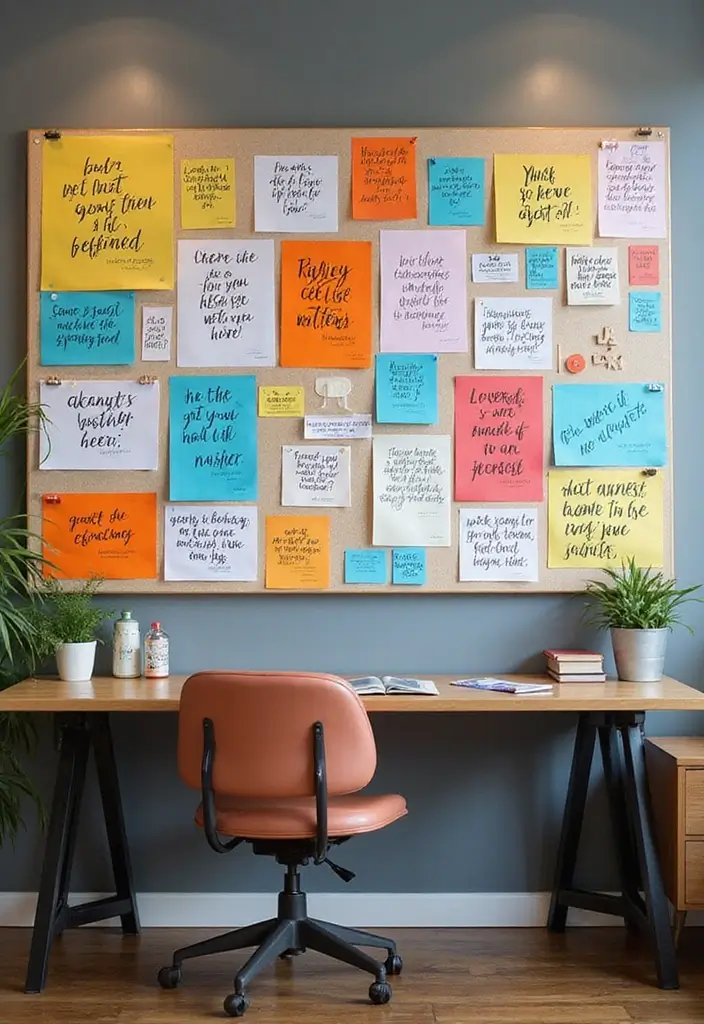
Incorporating inspirational quotes and vision boards into your workspace can inspire motivation and creativity.
Create a collaborative vision board where both individuals can contribute goals, dreams, and inspirations.
Or simply place a few framed quotes that resonate with both of you around the office.
– Choose typography styles that speak to your personalities.
– Use colorful corkboards or magnetic boards for a dynamic look.
– Update these regularly to keep the motivation fresh.
– Frame your favorite quotes to add a touch of elegance.
– Incorporate photos or items that represent your aspirations.
17. Indoor Gardens
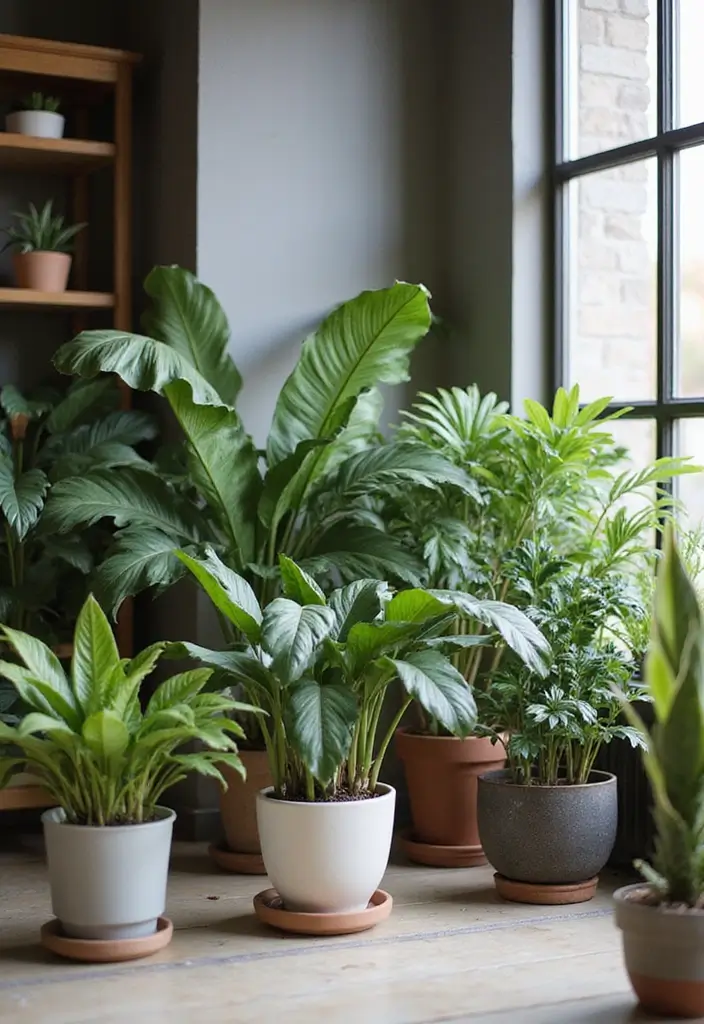
Bringing greenery indoors can create a calming environment.
An indoor garden not only beautifies the space but also promotes relaxation and focus.
Consider using vertical planters or window sills to display an array of plants.
– Incorporate a variety of textures and heights for visual interest.
– Use planters that match your decor style, whether it’s minimalist or bohemian.
– Rotate plants based on their seasonal beauty to keep things fresh.
– Create a care schedule to ensure all plants stay healthy and vibrant.
– Consider herbs or succulents that can also be functional.
18. Ambient Lighting
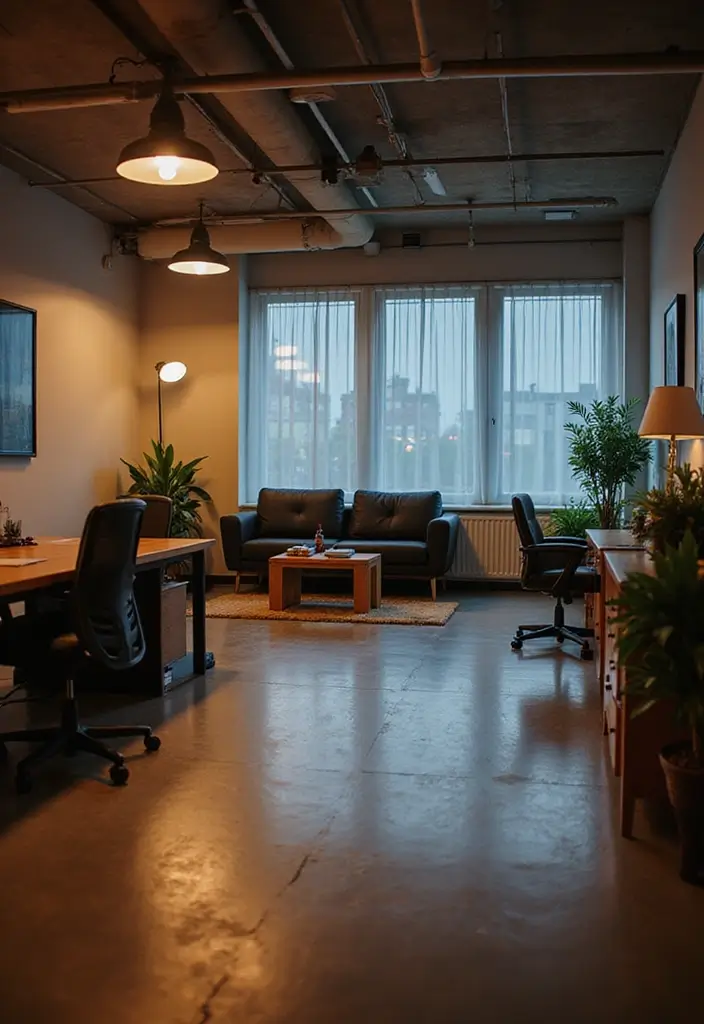
Lighting plays a crucial role in setting the mood of your workspace.
Use a combination of ambient lighting and task lighting to create an inviting atmosphere.
Consider adjustable lamps or string lights for a touch of warmth.
– Include dimmers for overhead lights to control brightness.
– Use desk lamps with soft hues for less strain on the eyes.
– Experiment with colored bulbs for a fun twist.
– Incorporate natural light as much as possible to energize the space.
– Use reflective surfaces to embrace the light in creative ways.
19. Utilize Corner Spaces
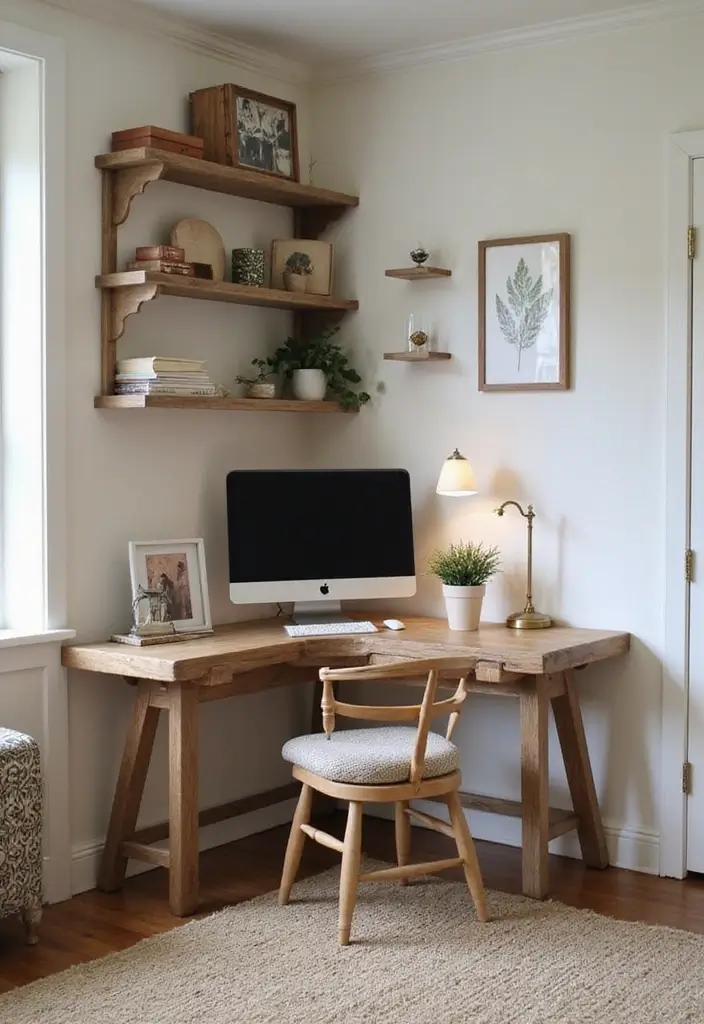
Corners are often overlooked but can be transformed into practical workspace areas.
Use corner desks or make shift seating arrangements that utilize the nooks of your home. This not only maximizes space but can create cozy spots for focused work or collaboration.
– Consider L-shaped desks that fit snugly into corners.
– Add shelving above or alongside for extra storage.
– Position a comfy chair for reading or relaxing.
– Use corner plants for a fresh feel.
– Incorporate decor pieces that draw the eye into the corner space.
20. Minimalistic Approach
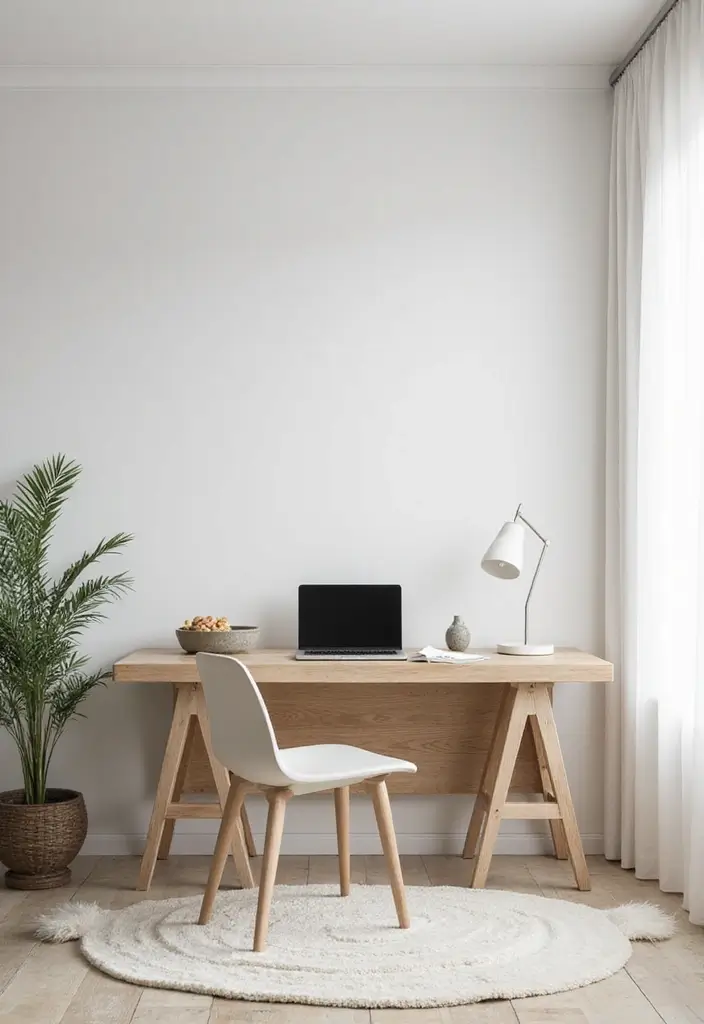
A minimalistic approach to design can declutter your shared workspace and make it feel peaceful.
Focus on essential items and clean lines, allowing the space to breathe.
This style promotes simplicity and efficiency, making work easier.
– Use a limited color palette for a cohesive look.
– Choose multifunctional furniture to keep things simple.
– Opt for fewer decorative items to avoid distraction.
– Keep surfaces clean and free from unnecessary clutter.
– Integrate straightforward organizational solutions, like stackable trays or drawers.
21. Seasonal Theme Changes
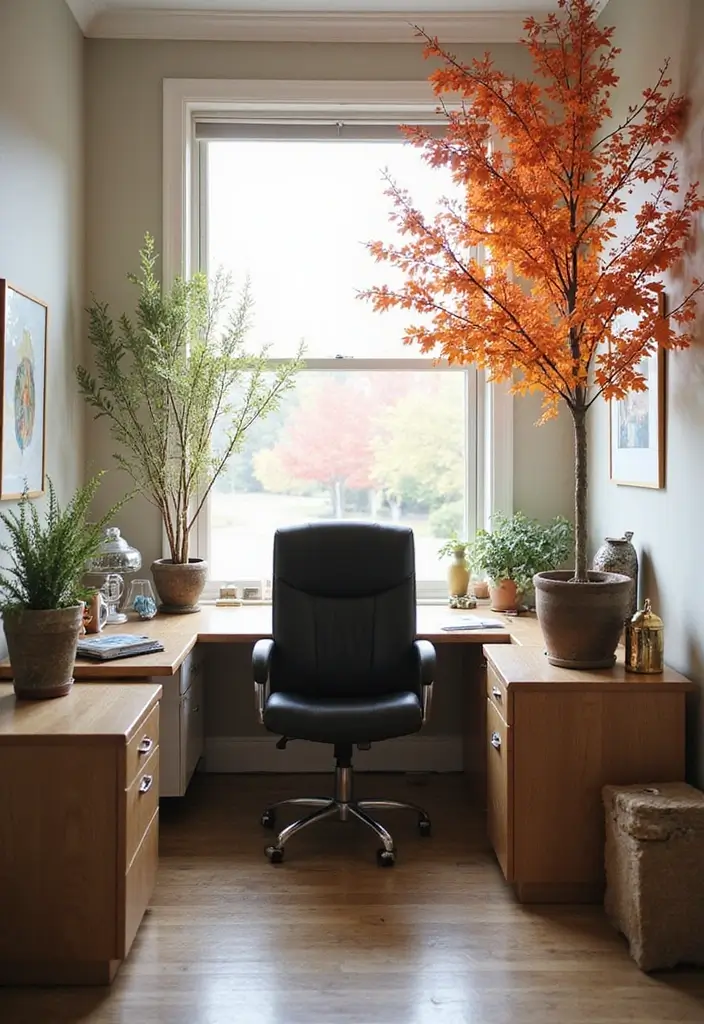
Changing your office decor with the seasons can be a refreshing way to keep the space exciting.
Switch out decor items, colors, and even scents to match the time of year.
This can also boost morale and creativity as you work.
– Use seasonal colors in decorations—think warm tones for fall, pastels for spring.
– Incorporate seasonal plants that reflect your theme.
– Rotate desk accessories that capture the spirit of the season.
– Create a festive atmosphere during holidays.
– Document the changes to inspire creativity and themes.
22. Efficient Use of Doors
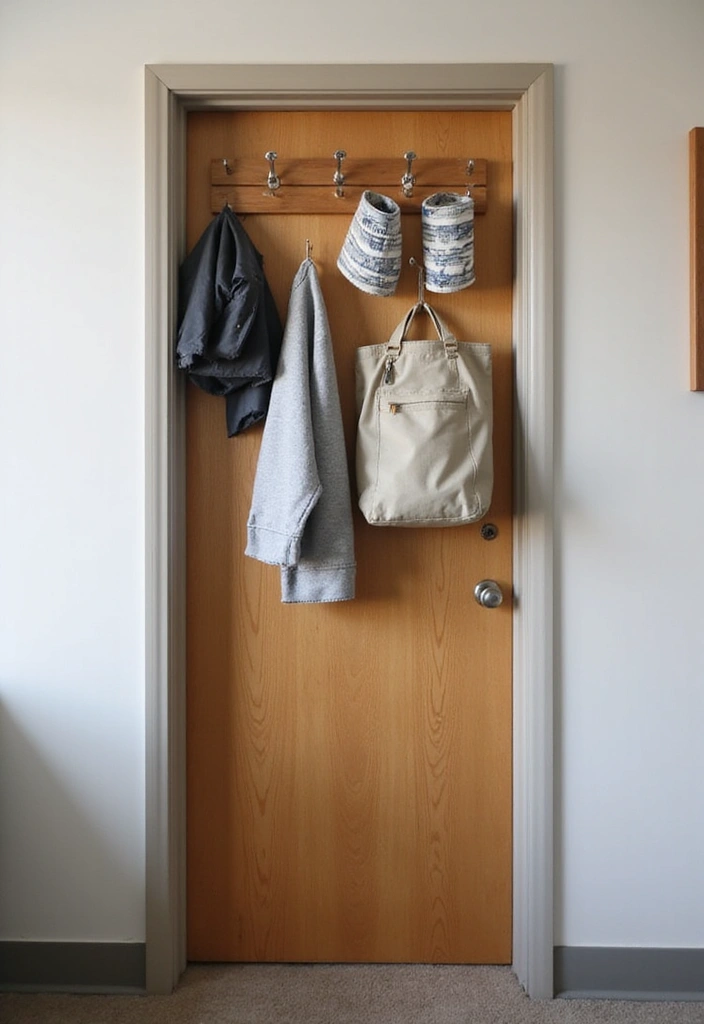
Don’t forget about the doors in your workspace! They can be transformed into valuable storage or organizational elements.
Attach hooks, hanging organizers, or even a pegboard to utilize this often-ignored surface.
– Use door organizers for paperwork or small supplies.
– Attach hooks for frequently used items like bags or headphones.
– Consider a foldable desk that attaches to the door for a quick workspace.
– Use your door space to display inspiring quotes or reminders.
– Ensure items are easily accessible yet neatly organized.
23. Motivational Workspace
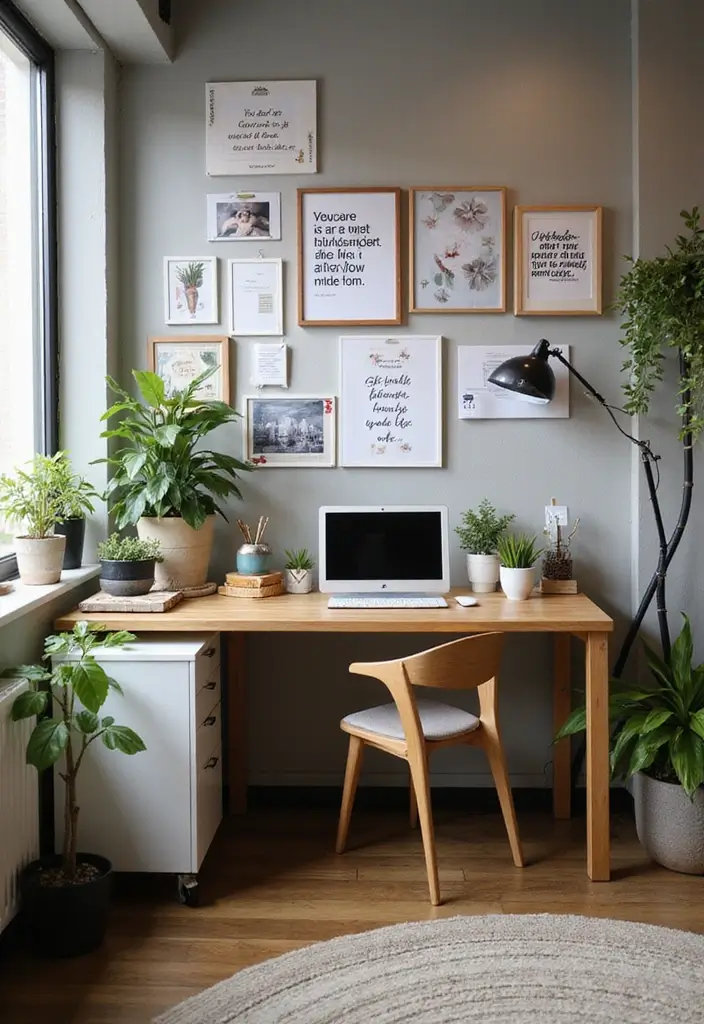
Creating a motivational workspace can fuel your productivity levels.
Incorporate elements that inspire and energize both of you as work happens.
Consider mood boards, motivational quotes, and a dedicated space for breaks.
– Use visuals that evoke positive emotions—photos, colors, or art.
– Keep reminders of your goals visible in the workspace.
– Encourage uplifting affirmations in decor elements.
– Incorporate a break space with comfortable seating.
– Share motivational books or materials that can be easily accessed.
24. Privacy Solutions
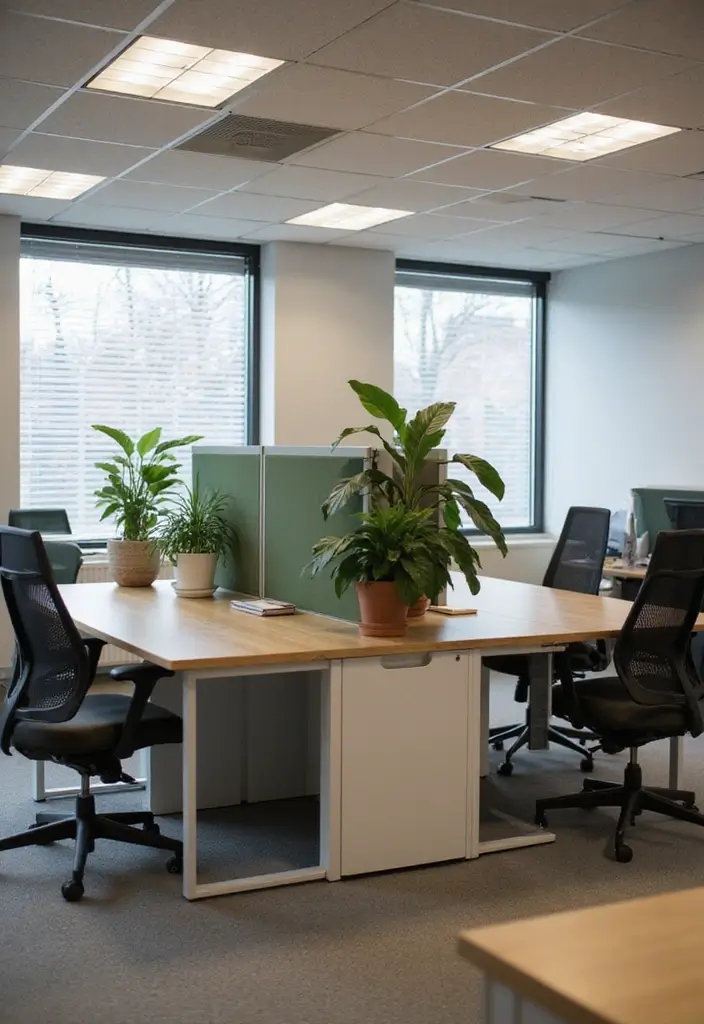
In shared spaces, privacy can be a concern.
Consider solutions that allow each individual to focus without feeling overshadowed.
Use room dividers, plants, or even curtains to create personal zones.
– Choose dividers that are stylish and functional, maybe with added storage.
– Incorporate tall plants or shelving to separate areas.
– Use curtains that can be drawn for privacy or opened for collaboration.
– Set up a quiet zone that allows for uninterrupted work.
– Designate times where both parties respect each other’s focus needs.
25. Shared Calendar and Planning Space
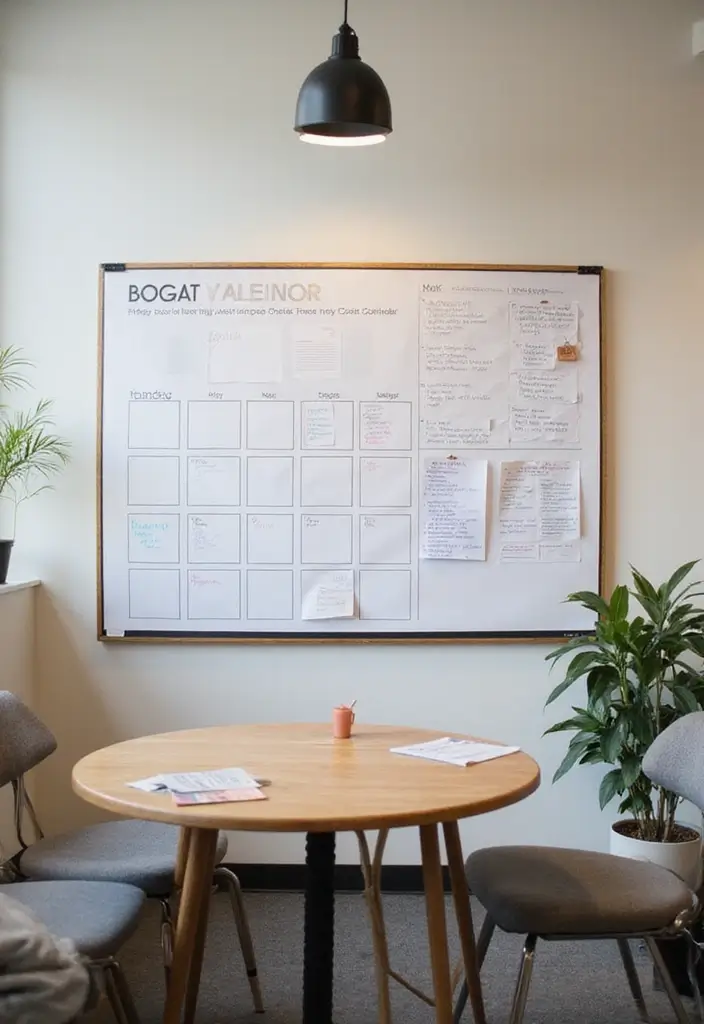
Keeping track of schedules and deadlines can be a breeze with a shared planning space.
Integrate a large calendar or planner on the wall where both can write reminders and deadlines.
This encourages teamwork and keeps communication open.
– Use color coding for each individual’s tasks.
– Incorporate sticky notes for quick reminders.
– Include a weekly or monthly planner that’s easily accessible.
– Encourage regular planning sessions to stay aligned.
– Use fun markers or stickers to make it visually engaging.
A shared calendar transforms cluttered schedules into seamless teamwork. Color-code tasks, use sticky notes, and keep planning sessions fun to turn chaos into collaboration!
26. Use of Textiles
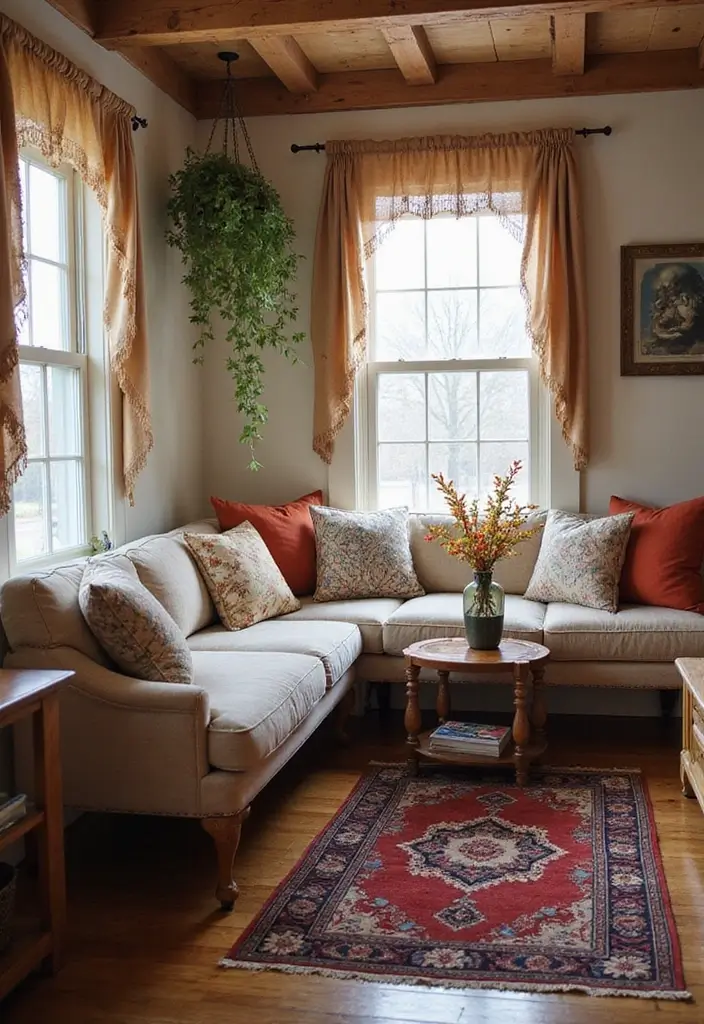
Textiles can warm up an office space and add personality.
From curtains to cushions and rugs, these elements can greatly influence the overall atmosphere.
Select materials that are soft and inviting while reflecting both users’ styles.
– Choose patterns that complement the decor without overwhelming it.
– Incorporate layering techniques with different textiles for depth.
– Use seasonal textiles that can be changed over time.
– Select durable textiles that withstand wear and tear.
– Incorporate personal touches or heirloom pieces for sentimental value.
27. Professional Yet Personal
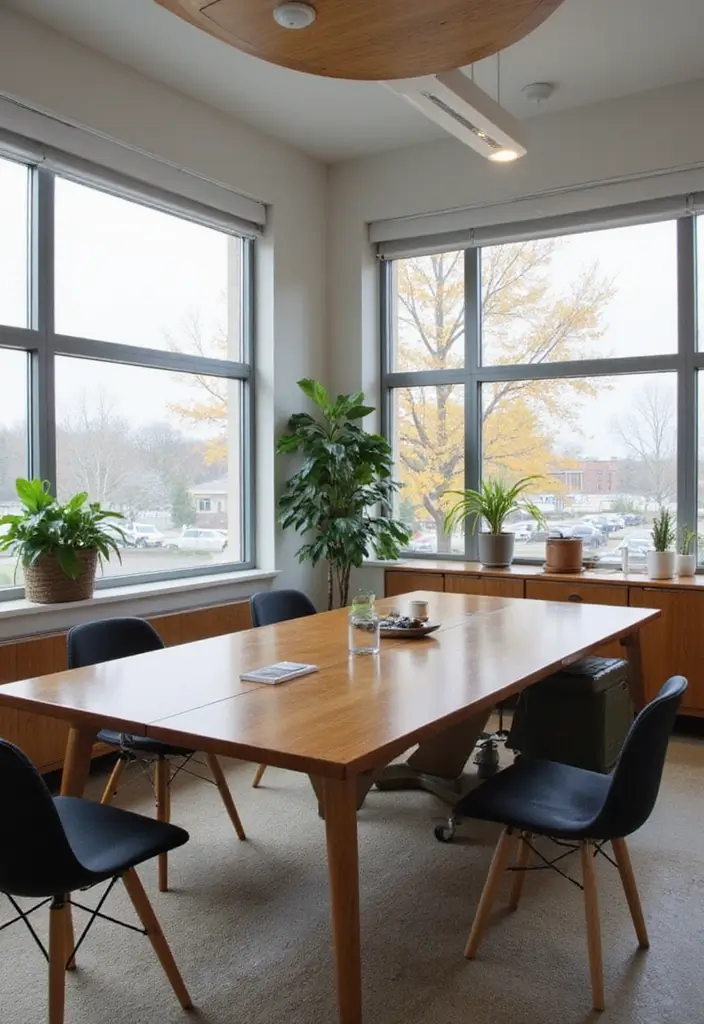
Striking a balance between professionalism and personalization is key in a shared office.
Both individuals should feel at home and ready to work.
Incorporate personal decor elements while maintaining an overall professional look.
– Use neutral colors for major furniture pieces while adding pops of personality through accessories.
– Create a collaborative mood board that reflects both professional and personal goals.
– Keep a clean desk approach for a professional vibe but allow personal items to inspire creativity.
– Use personal awards or achievements as decor elements.
– Ensure that overall aesthetics align with both individuals’ professional identities.
A shared home office thrives on balance—mix professionalism with personal touches. Create a space where both work and individuality shine through, inspiring productivity and comfort!
28. Flexible Furniture Arrangements
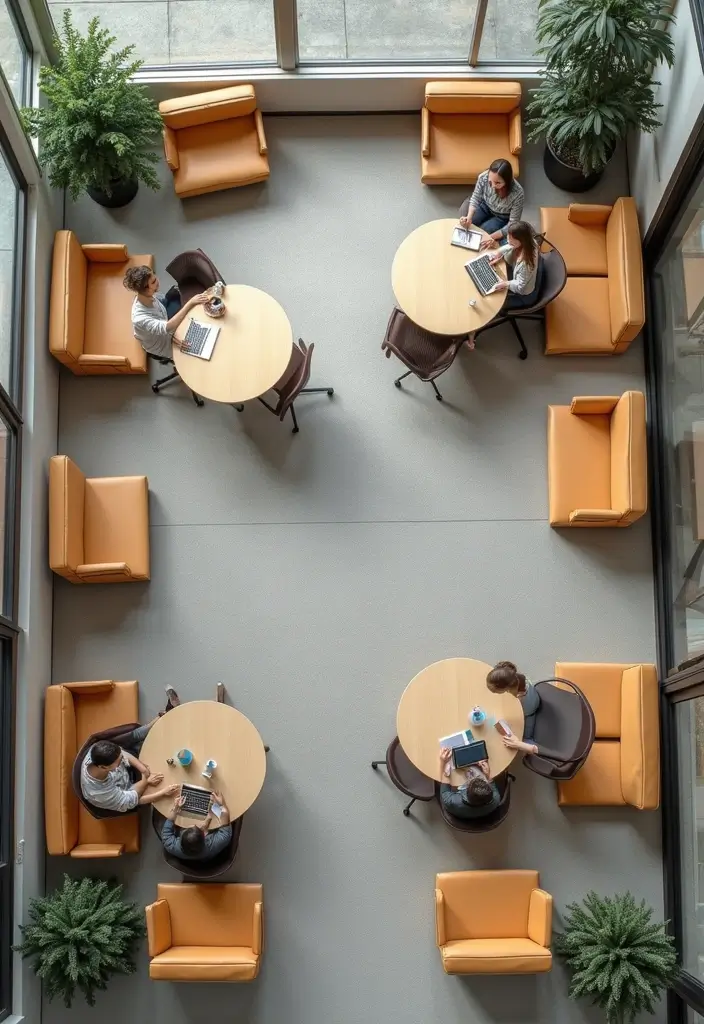
Flexibility is essential when sharing a workspace.
Arrange furniture in a way that can be easily reconfigured for different tasks.
This allows adaptability, whether for meetings or focused work sessions.
– Use lightweight furniture that can be moved easily.
– Consider a modular setup that allows for changes.
– Encourage open communication about needs to adjust layouts.
– Use floor mats to define zones for different tasks.
– Involve both parties in arranging and rearranging for a sense of ownership.
29. Sound Management
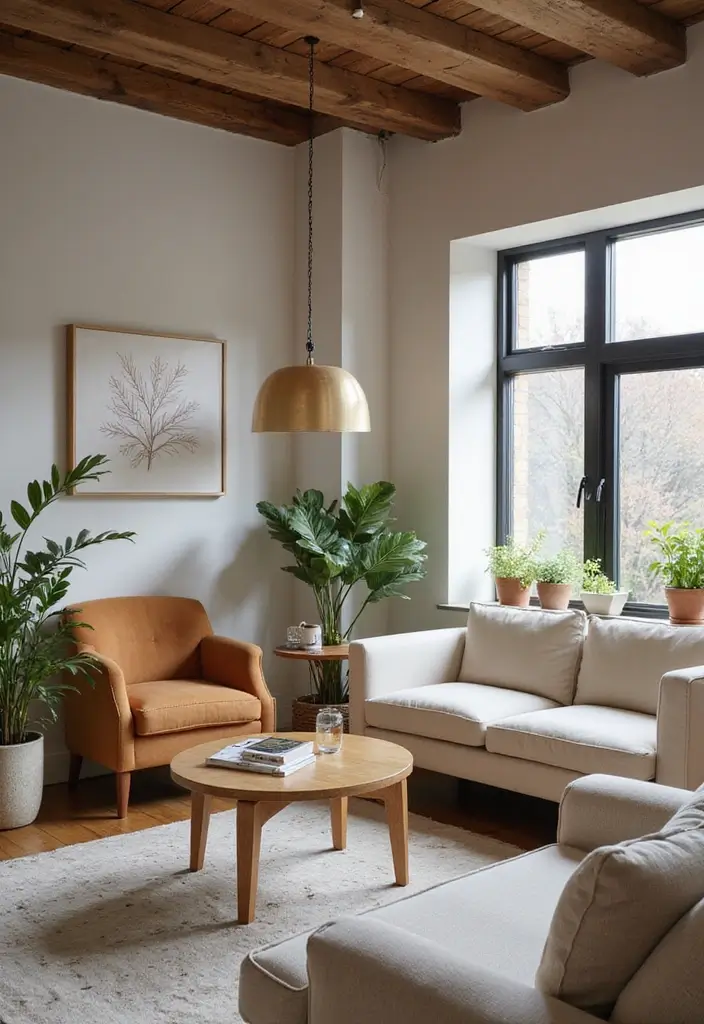
Noise can be a distraction in a shared home office.
Consider methods for managing sound levels to enhance productivity.
Use rugs, curtains, and plants to absorb sound and create a quieter environment.
– Invest in noise-canceling headphones for focused work.
– Create a playlist of calming music for background noise.
– Use sound-absorbing materials in decor to reduce echoes.
– Establish quiet hours to respect each other’s need for focus.
– Ensure that distractions like TV or loud conversations are minimized during work hours.
30. Intentional Break Areas
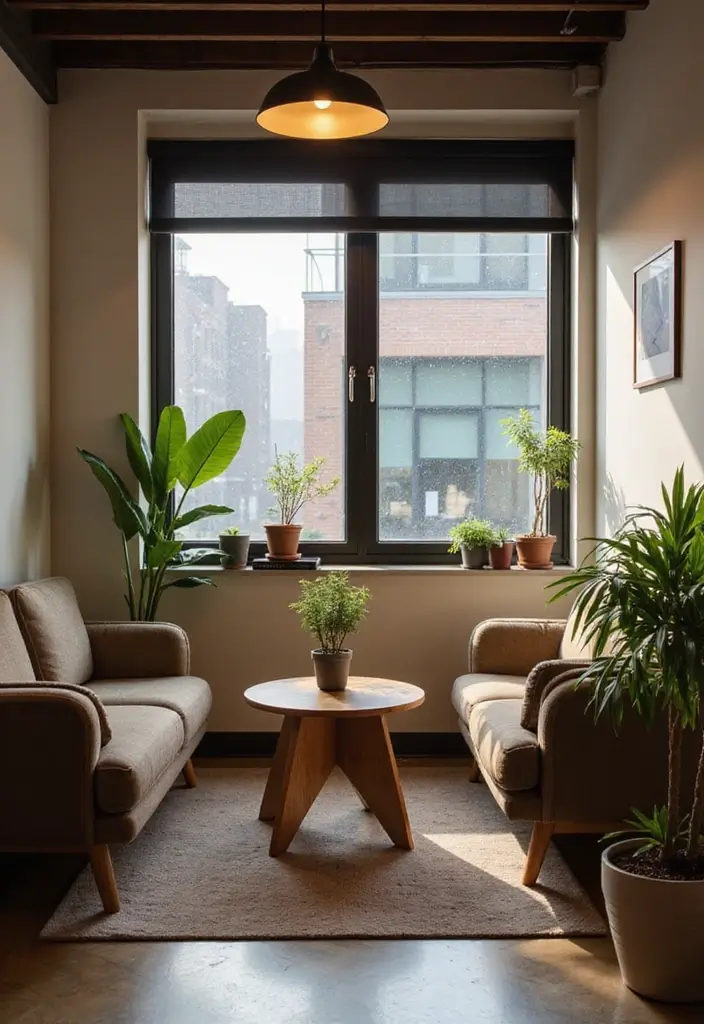
Creating intentional break areas within your shared workspace can improve productivity and relationships.
Designate a small spot that encourages relaxation and a mental reset during the workday.
Whether it’s a cozy corner with a couple of chairs or a small balcony, ensure it feels separate yet connected to the office.
– Include comfortable seating for small chats or relaxation.
– Incorporate a small table for snacks or drinks.
– Use soft lighting to create a calming atmosphere.
– Keep the area clean and inviting for easy access.
– Encourage regular breaks to refresh and re-energize.
Conclusion
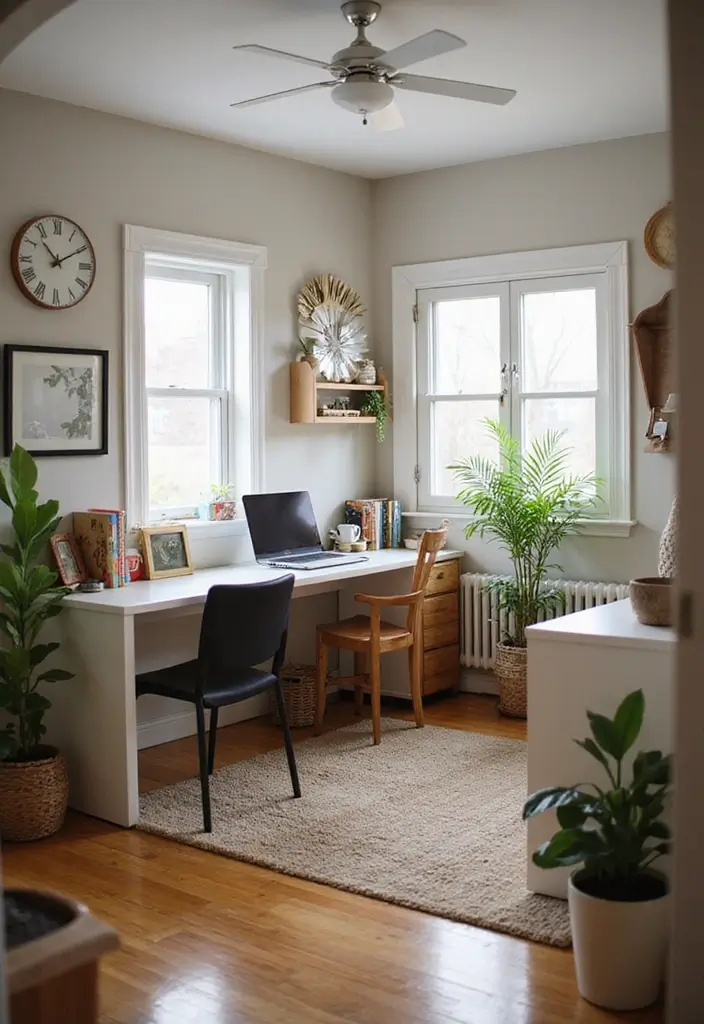
Designing a shared home office that works for both individuals involves creativity, communication, and a bit of compromise.
By incorporating these ideas, you can create a workspace that reflects both personalities while promoting productivity and comfort.
Remember, the journey of creating this space is just as important as the end result; make it fun, collaborative, and uniquely yours!
Frequently Asked Questions
What are the best shared home office ideas for small spaces?
Creating a shared home office in a small space can be a fun challenge! Start with dual desk setups that allow both individuals their own space without overcrowding. Consider incorporating floating shelves for storage and organization, and think about a collaborative work table that encourages teamwork. Don’t forget to personalize with artwork and plants to make the space inviting!
How can I maximize storage in a shared home office?
Maximizing storage is essential in a shared home office! Utilize smart storage solutions like under-desk drawers and wall-mounted cabinets. Consider pegboards for dynamic organization, and make use of vertical space with floating shelves. Multi-functional furniture, like a desk that doubles as a meeting table, can also help keep things tidy and functional.
What are some home office decor tips for a collaborative workspace?
To create a harmonious collaborative workspace, focus on a consistent color scheme that resonates with both individuals. Add personal touches like inspirational quotes and a shared vision board to keep motivation high. Incorporate comfortable seating and effective ambient lighting to foster a productive atmosphere that feels inviting for both users.
How can we ensure privacy in a shared home office?
Privacy is crucial in a shared home office! Consider using room dividers or plants to create personal zones. You can also implement noise management strategies by adding rugs or curtains to absorb sound. If space allows, designate specific areas for focused work to help each individual concentrate without distractions.
What are some creative ways to personalize a shared home office?
Personalizing a shared home office can enhance both comfort and creativity! Choose artwork that resonates with both individuals, and don’t hesitate to mix decor styles for a unique touch. Implement seasonal theme changes to keep the space fresh and exciting. Lastly, incorporating textiles like cushions and rugs can add warmth and personality to your workspace.
Related Topics
shared home office
workspace organization
dual desk setup
collaborative design
small space solutions
home office decor
ergonomic furniture
color-coded storage
minimalist workspace
tech-friendly office
creative workspaces
seasonal decorating