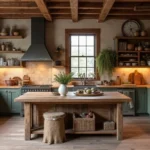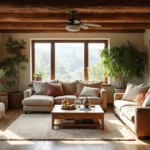
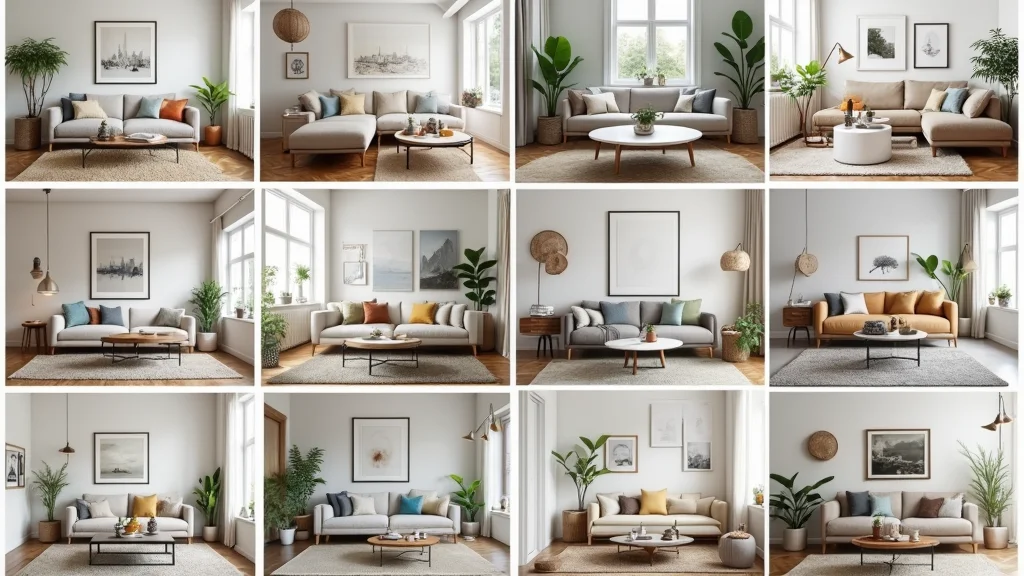
Creating the perfect living room layout can feel overwhelming, especially when you’re trying to balance style with functionality. That’s why I put together this post. I know many of you are looking for ways to make your small living spaces feel more inviting and practical. Whether you’re moving into a new place or just wanting to refresh your current setup, the right layout can transform your living area into a cozy haven.
If you love interior design tips or are passionate about optimizing your space, this post is for you. You want your living room to be a place where you can relax, entertain guests, and truly feel at home. With the right furniture arrangement, you can create functional zones that work for your lifestyle, even in the tightest of spaces.
In this article, you’ll find 14 living room layout ideas that focus on achieving a balanced functional flow. From the clever use of a corner sofa setup to creating multi-functional zones, each idea aims to enhance your cozy living spaces while reflecting modern decor styles. You’ll discover practical suggestions that make the most of your available square footage, ensuring that even the smallest living rooms can shine.
So, let’s dive in! Get ready to explore layouts that not only elevate your living room’s aesthetic but also improve its usability. Your perfect living space awaits!
Key Takeaways
– Explore 14 unique layout ideas that maximize space and functionality for small living rooms.
– Learn how the L-shape arrangement can optimize flow while providing ample seating.
– Discover the benefits of floating furniture designs for creating an open and airy feel.
– Implement layered lighting techniques to enhance ambiance and mood in your living area.
– Understand how multi-functional zones can help you make the most of limited space without sacrificing style.
1. The L-Shape Arrangement
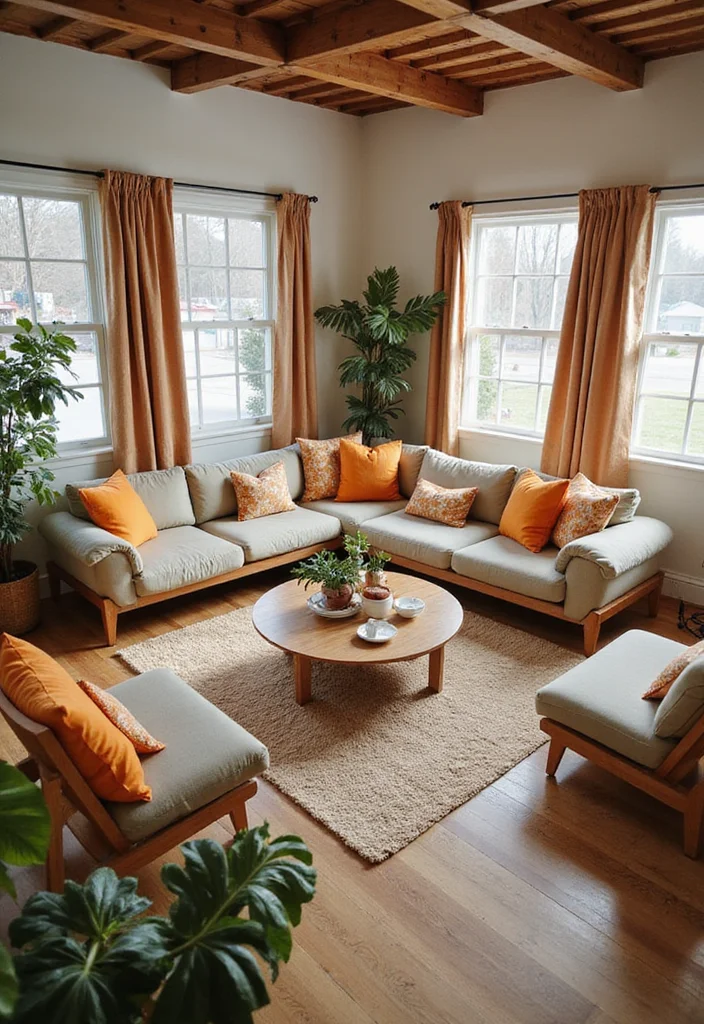
An L shape anchors a room with a warm, conversation friendly flow. Place a sofa and chairs to form an L, keeping the center open for easy movement. A coffee table sits at the corner and a soft rug defines the seating zone. Pinterest loves these cozy setups for small living rooms, and the look feels inviting.
Think about practical tweaks that stay affordable and comfy. Use multifunctional ottomans with storage to tuck away clutter. Place a rug under the seating area to clearly mark the lounge. Add plants to bring a touch of greenery and life into the space.
• Use modular seating to reconfigure for gatherings and daily living
• Choose a centered rug to define the L zone clearly
• Pick light colors to keep space airy and bright inside
• Add plants to bring freshness and texture into the room
With these tweaks, the L-Shape layout becomes welcoming and practical.
The L-Shape Arrangement
Editor’s Choice

Folding Storage Ottoman Bench, Multi-Functional Ottoman Foot Rest, End o…

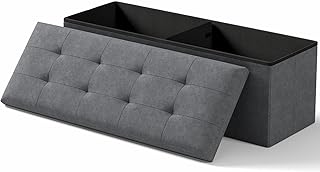
Folding Storage Ottoman Bench, Multi-Functional Ottoman Foot Rest, End o…

Giantex Storage Ottoman Bench with Tray Lid, Folding Linen Fabric Foot S…

Sweetcrispy 43in Foldable Storage Ottoman – Large Storage Chest & Padded…

Storage Ottoman with Reversible Tray Top, 30″ Large Linen Fabric Folding…
2. Floating Furniture Design
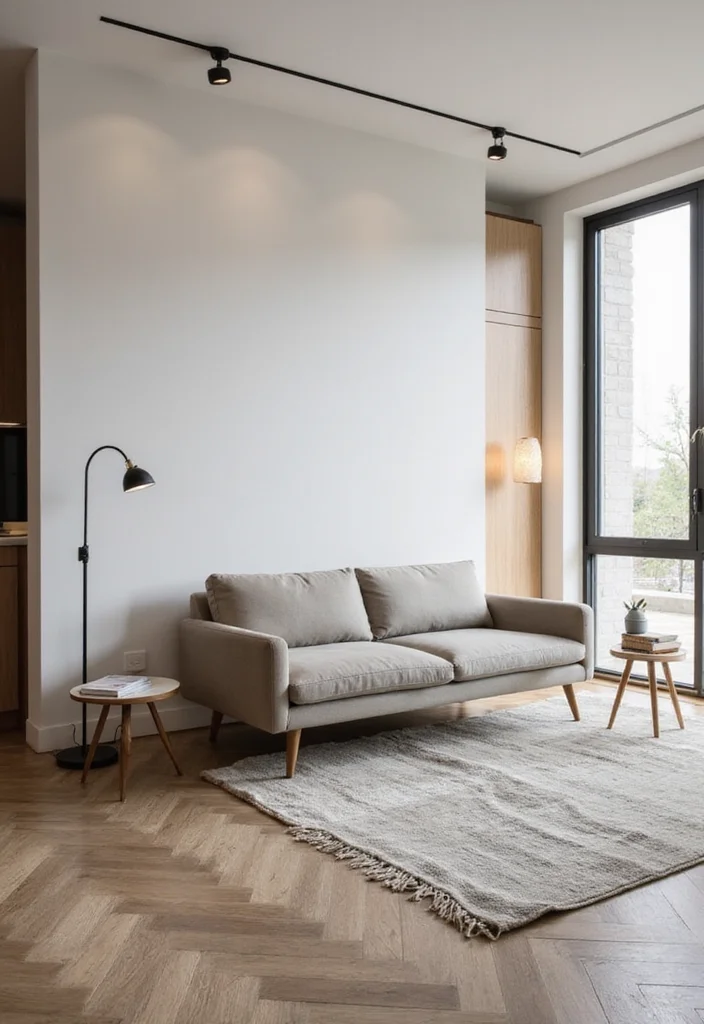
Floating furniture opens up a room and makes it feel larger. Move the sofa away from walls to free floor space and invite easy movement. This setup works best where corners aren’t clearly defined, creating a calm, open vibe. A console or side table behind the sofa keeps storage and style within reach. Pinterest shows these layouts as a smart choice for small spaces.
Ground the arrangement with a large rug to anchor the group. Leave enough room to walk around the sofa. Use layered lighting to highlight the floating effect and add depth. Keep the color and texture cohesive with two or three matching pieces.
• Use area rug to ground the floating zone
• Choose matching pieces for a cohesive, calm look
• Place sofa away from walls for air flow
• Add lighting to emphasize the floating effect and depth
This setup feels modern and breathable.
Fun fact: In small spaces, floating furniture can free up to 30% more floor space, making living room layout ideas feel airier. Pair a large rug and a console behind the sofa to ground the arrangement and keep storage within reach.
Floating Furniture Design
Editor’s Choice

AMADA HOMEFURNISHING 8×10 Washable Area Rug, Low-Profile Large Area Rug …

Lofus 8×10 Area Rug for Living Room, Gold Abstract Large Rugs with Non-S…

Ophanie Area Rugs 9×12 Living Room, Large Grey Bedroom Carpet, Big Shag …

Ophanie 8×10 Area Rugs for Living Room, Upgrade Non-Slip Fluffy Soft Lar…

zesthome 10×14 Area Rugs,Stain Resistant Washable Rug,Ultra-Thin Rugs fo…
3. Corner Sofa Setup
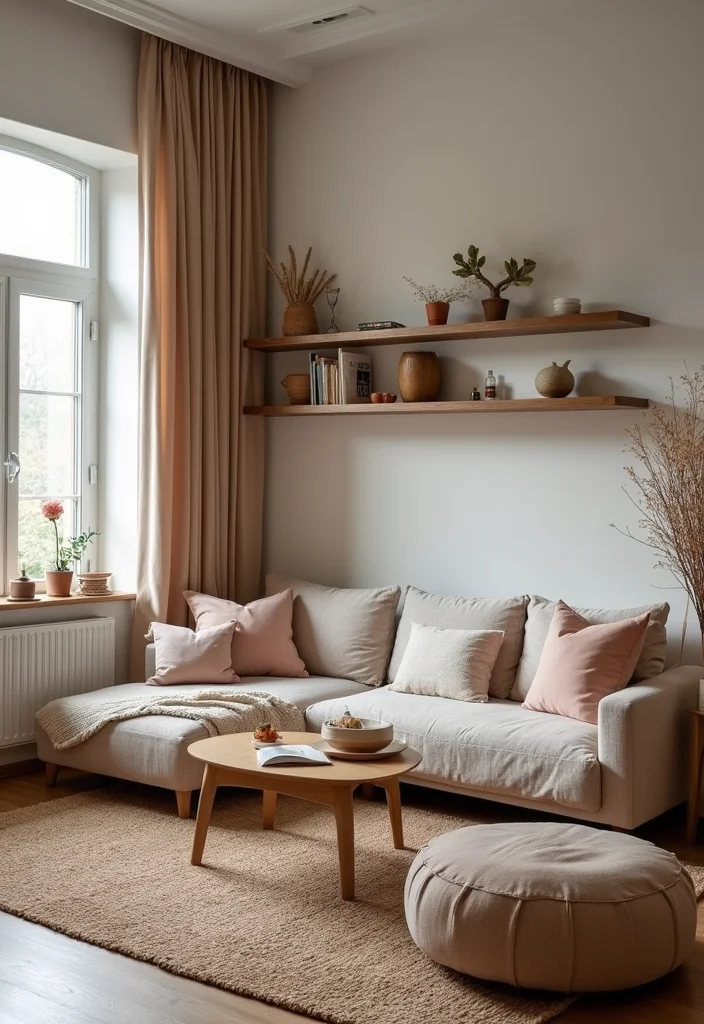
A corner sofa stretches seating in a compact room, making the most of every inch. By tucking the sofa into a corner, you gain a cozy scene perfect for family time or movie nights. Tiny accent chairs can finish the look and boost warmth. Layer textures with cushions and throws to invite you in. A coffee table or ottoman in front doubles as a casual dining or game space. Pinterest highlights this as a practical, comfy choice.
Keep the palette light to keep the area airy. Choose a corner sofa with hidden storage to maximize space. Floating shelves above the sofa add decorative touches without crowding the floor.
• Use corner sofa with storage to maximize efficiency
• Choose light, airy color palette for walls
• Pick cushions and throws for texture
• Add a coffee table that doubles as storage
With this arrangement, your living room feels intimate yet practical.
Corner Sofa Setup
Editor’s Choice

125 Inch Oversized Corduroy Modular Sectional Sofa, U Shaped Modular Cou…

L-Shaped Sectional Sofa with Movable Chaise & Storage Ottoman, Lounge 3-…

107”Modular Sectional Sofa Convertible U Shaped Sofa Couch Set with Stor…

108 Inch Modular Sectional Sofa with Pull Out Bed,U Shaped 7 Seat Sectio…

KKL Modular Sectional Sofa U-Shaped 6 Seater Couch with Storage Ottoman,…
4. Multi-Functional Zones
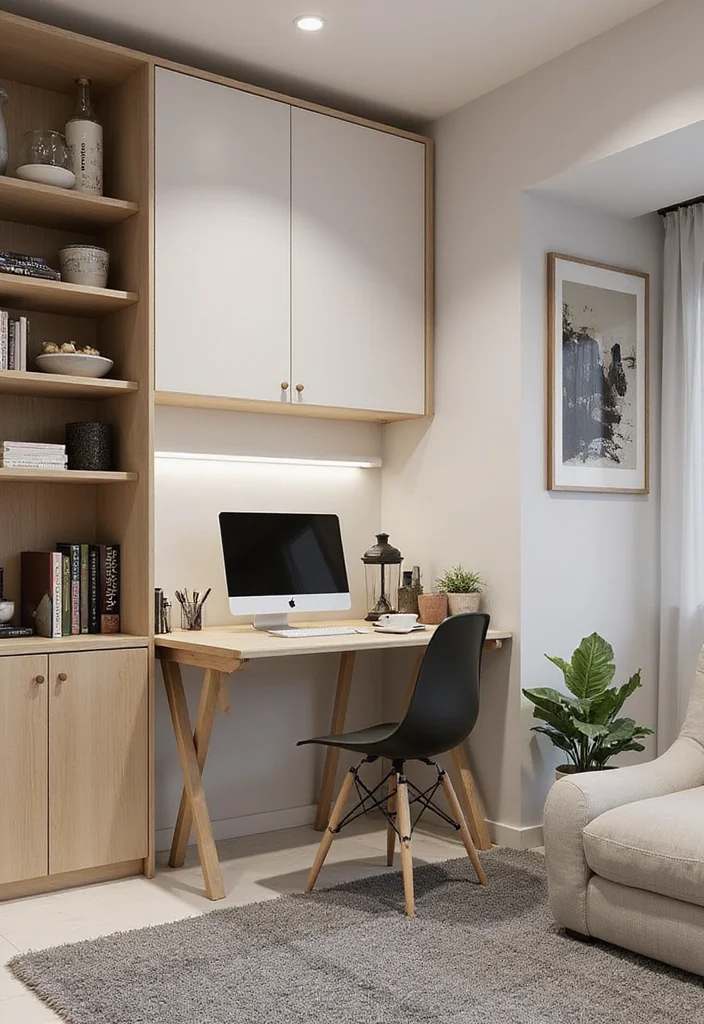
When space is tight, zones that serve more than one role shine. A small desk can double as a workspace, turning the lounge into a productive hub. A foldable table or extendable dining set can serve meals or game nights. This approach lets you tailor the room to your daily life. Choose pieces that blend with your decor so the space stays stylish and usable. Pinterest often shows these flexible layouts in action.
Use vertical storage to keep essentials organized and off horizontal surfaces. Look for furniture that moves or repositions easily. Add curtains to separate zones when you want privacy or a quiet corner.
• Utilize vertical storage to keep essentials organized
• Look for furniture that can be moved or rearranged
• Add curtains to separate zones when needed for privacy
• Include a desk that doubles as workspace
These tips help you adapt the room as life changes.
Did you know 60% of small living rooms feel cramped until they embrace multi-functional zones as part of living room layout ideas? A compact desk can double as a workspace, while a foldable table handles meals or game nights. Keep vertical storage to free surfaces and improve flow.
Multi-Functional Zones
Editor’s Choice

LotFun Folding Dining Table with 2 Storage Racks, Space Saving Dining Ta…

Tiptiper Folding Dining Table with 2 Storage Racks, Drop Leaf Table with…

DMAITH PRESELL 20″-118″ Extendable Dining Table for 2-12 People, Modern …

Space Saving Folding Dining Table for 4, Farmhouse Foldable Dining Table…

Folding Dining Table, Movable Dining Table, Expandable Kitchen Table, Ve…
5. The Gallery Wall Approach
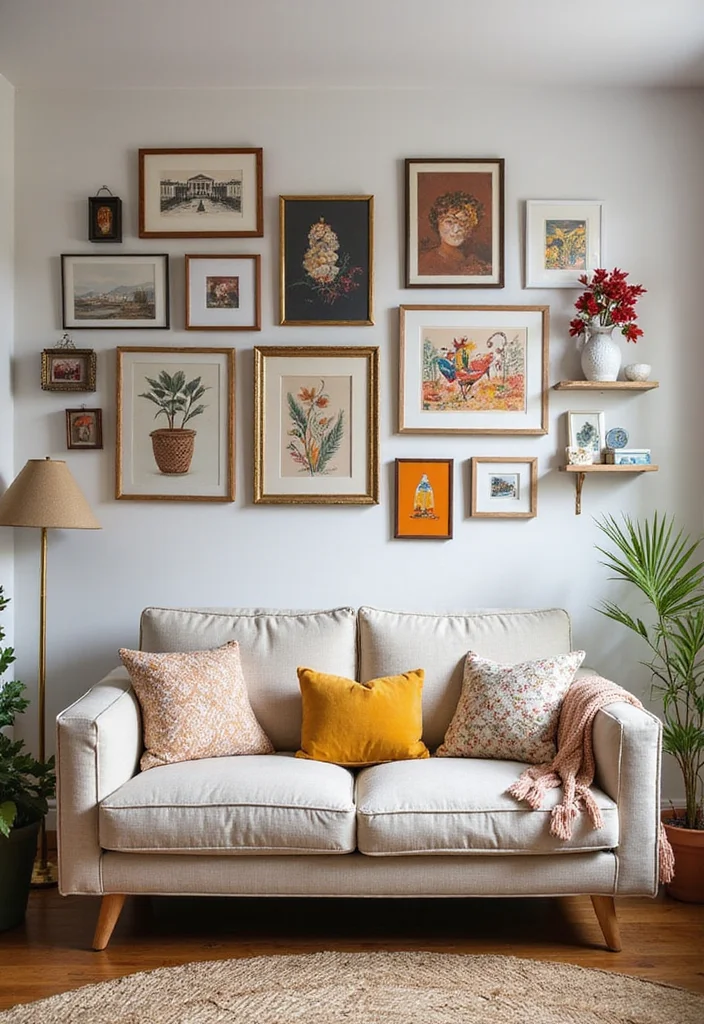
A gallery wall can turn blank walls into a strong focal point without crowding the floor. Mix frames and art styles to show your personality while saving space. This setup draws the eye upward, giving the room more height and air. Include family photos, art, and decorative mirrors to add depth and bounce light around. Design blogs love this approach for compact rooms.
Start with a central piece and work outward to keep balance. Add shelves within the gallery to display small items. Keep a cohesive color scheme to avoid visual clutter.
• Start with a central piece and work outward for balance
• Incorporate shelves within the gallery to display small items
• Ensure there’s a cohesive color scheme to avoid clutter
• Mix mirrors, photos, art for depth and light
This wall becomes a standout feature that still feels calm.
The Gallery Wall Approach
Editor’s Choice

Gallery Perfect – 7-Piece Black Wall Frame Set – Kit with Decorative Art…

10 Pcs Gold Vintage Picture Frames for Wall or Tabletop Display Ornate F…

Vittanly 10 Pack Picture Frames Collage Wall Decor, Gallery Wall Frame S…

upsimples 10 Pack Picture Frames Collage Wall Decor for Mounting or Tabl…

LUCKYLIFE Picture Frames Collage Wall Decor 10-Pack, Gallery Wall Frame …
6. Use of Color and Patterns
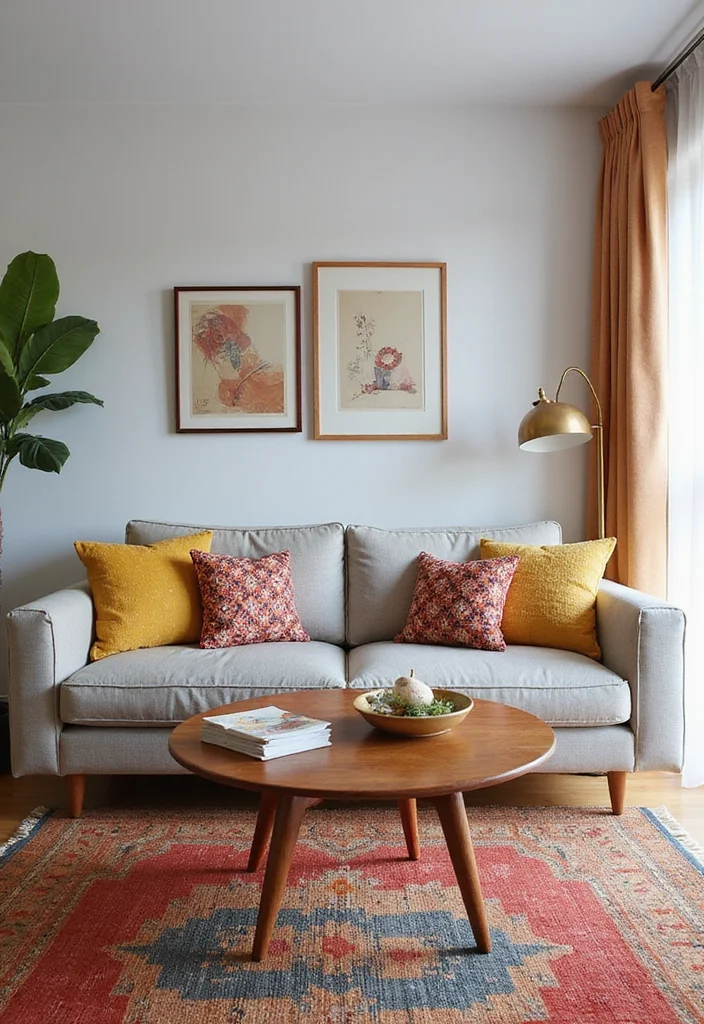
Color and patterns shape how a small living room feels. Light walls make a room feel bigger, while bold accents add character. A single statement wall or a bright color can push depth and focus. Mix patterns carefully across rugs, cushions, and art to add interest without chaos. The goal is balance that keeps the space lively yet calm.
Limit your palette to avoid a busy vibe. Use patterns to highlight specific zones or pieces. Test paint samples before committing to a full wall.
• Limit your color palette to prevent a chaotic feel
• Use patterns strategically to draw attention to specific areas
• Test paint samples before committing to a full wall
• Pair bold accents with calm neutrals for balance
These choices help the room feel cohesive and vibrant.
Use of Color and Patterns
Editor’s Choice

Rugshop Contemporary Abstract Circles Perfect for high Traffic Areas of …

Kelarea Living Room Rug, 5×7 Modern Abstract Washable Rugs, Colorful Non…

SAFAVIEH Madison Collection Area Rug – 5’3″ x 7’6″, Cream & Light Grey, …

SAFAVIEH Monaco Collection Area Rug – 8′ x 10′, Multi, Boho Chic Tribal …

SAFAVIEH Madison Collection Area Rug – 5’3″ x 7’6″, Ivory & Multi, Boho …
7. Minimalistic Furniture Choices
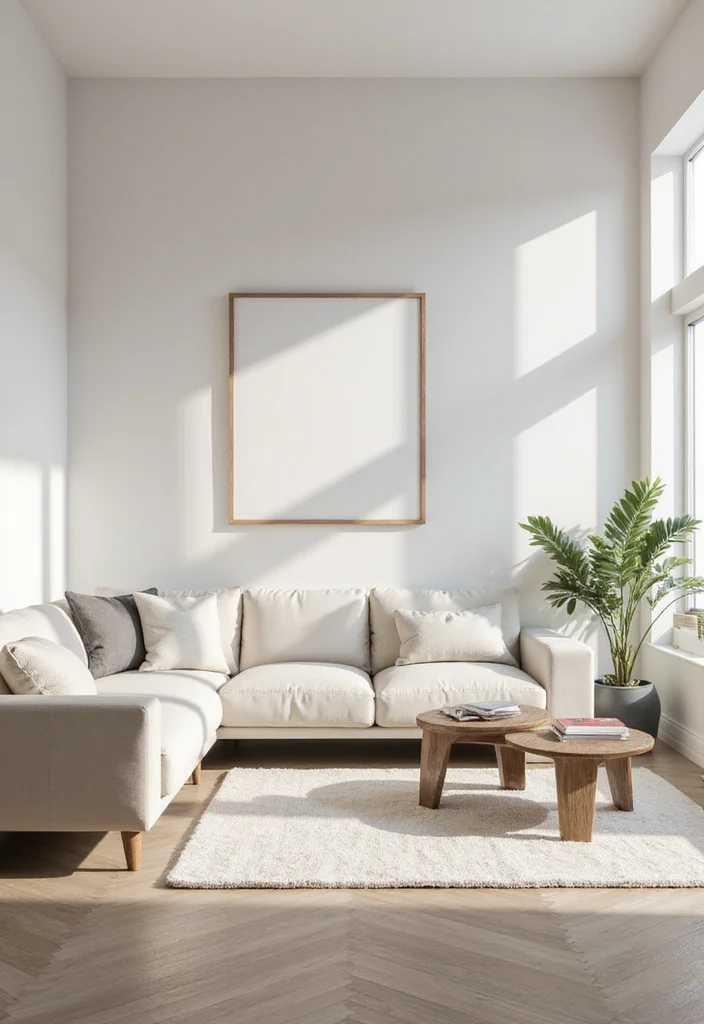
In small spaces, less is more. Minimalist furniture creates an open, breathable feel with clean lines. Choose pieces with slim profiles and light materials so they move easily. A lean coffee table and compact seating keep the room usable without feel crowded. Limit decor to a few bold pieces that stand out. This approach keeps the room calm and easy to clean.
Stick to essential pieces and avoid clutter. Look for items that serve more than one purpose. Choose slim, lightweight pieces to stay flexible. Keep decor simple to maintain a calm, uncluttered space.
• Stick to essential furniture and avoid extra pieces
• Look for multi-use items that serve more than one purpose
• Choose slim profiles and lightweight chairs for flexibility
• Keep decor simple to maintain a calm, uncluttered space
This mindset keeps the room bright and easy to live in.
Minimalistic Furniture Choices
Editor’s Choice

Glass Coffee Table Modern Center Table,Minimalist Coffee Table Sofa Side…

Modern Glass Coffee Table, 32.3″D×25.6″W×15.8″H-Abstract Unique Mid Cent…
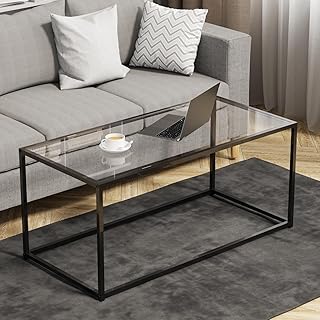
Glass Coffee Table Modern Center Table,Minimalist Coffee Table for Livin…
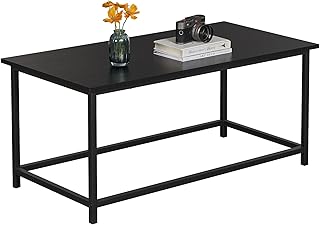
SAYGOER Black Coffee Table Simple Modern Rectangular Center Table Open S…

Small Oval Coffee Table, 33.5″ Mid Century Modern Coffee Table for Livin…
8. Cozy Nook Creation
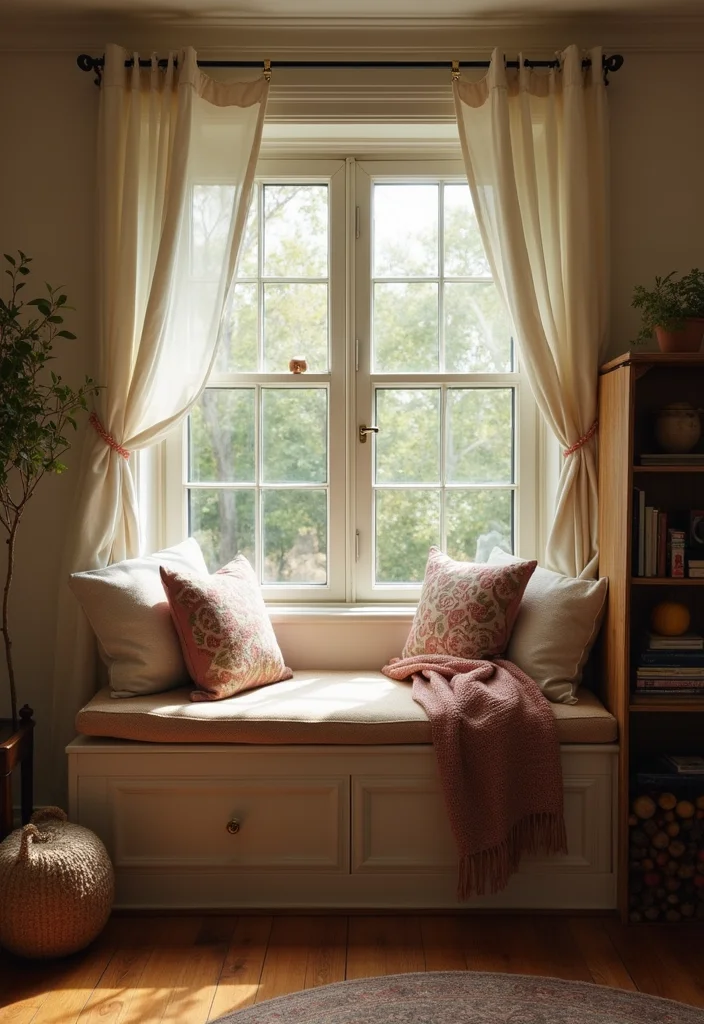
A cozy nook adds warmth and a sense of alone time in a shared space. It can be a small reading corner or a sunny window seat, a reset zone you love. Plush cushions, a soft throw, and a tiny bookshelf create a welcoming retreat. Soft lighting, like a floor lamp or string lights, makes it glow at night. Nature light helps keep it cheerful all day.
Pick a corner with good natural light for a bright feel. Keep decor minimal to preserve calm. Personalize the nook with items that truly feel like home.
• Choose a bright corner with natural light for cheer
• Keep decor minimal to keep area serene
• Personalize the nook with items that feel like home
• Use soft lighting to boost a warm, cozy glow
This small retreat strengthens the room’s warmth.
Cozy Nook Creation
Editor’s Choice

GyroVu Crystal Floor Lamp, Modern Standing Lamp with Elegant Shade Black…

ROTTOGOON Floor Lamp for Living Room with 3 Color Temperatures LED Bulb,…

Ambimall Floor Lamps for Living Room, 64″ Modern Floor Lamp with Remote …

LED Tree Floor Lamp with Remote & Touch Control, 3 Heads Adjustable Dimm…

Floor Lamp with Linen Shade, Dimmable Tall Standing Lamp with Remote Con…
9. Open Shelving Solutions
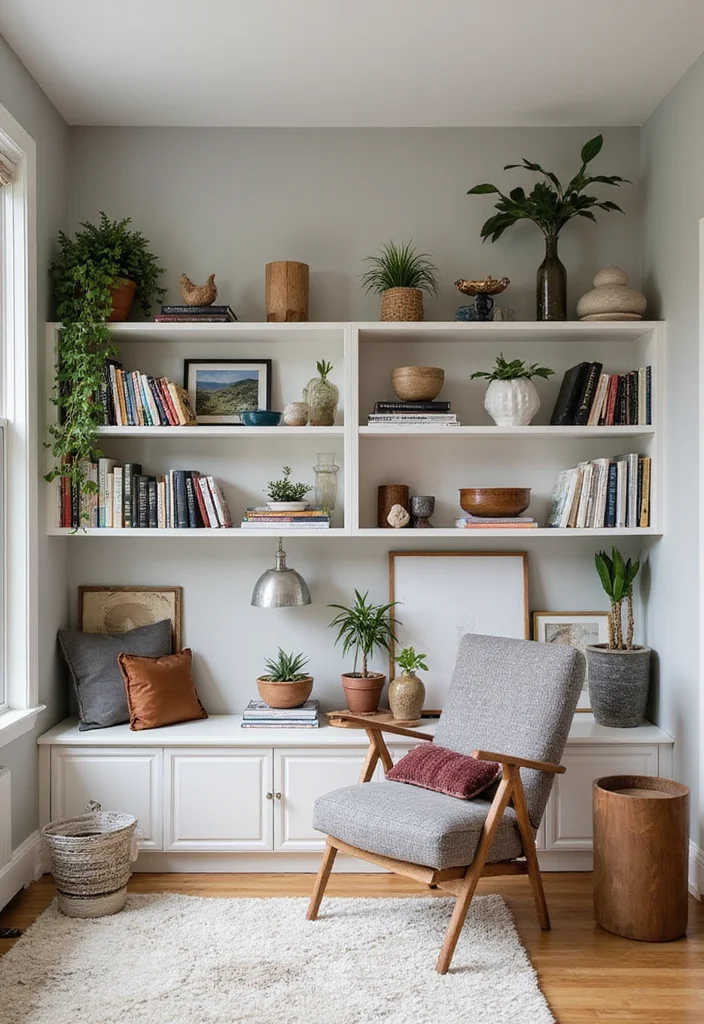
Open shelves mix storage with style in a tight space. They cut clutter by showing favorites while staying light on the eye. Place books, baskets, and plants on shelves to add character. Use a mix of tall and short shelves to break the line and keep it interesting.
Arrange items by size and color for a refined look. Leave some empty space to breathe. Add baskets on lower shelves for tidy hidden storage.
• Arrange items by size and color for a refined look
• Leave space on shelves for a breathable feel
• Use baskets on lower shelves for hidden storage
• Mix vertical and horizontal shelves for visual interest
Open shelves bring lightness and personality to the room.
Open Shelving Solutions
Editor’s Choice

BAYKA Floating Shelves for Wall, Wall Mounted Rustic Wood Shelves for Ba…

AMADA HOMEFURNISHING Floating Shelves, Wall Shelves for Bathroom/Living …
upsimples Floating Shelves for Wall, Wall Shelves for Decor Storage Set …
RICHFOCUS 55Inch Floating Shelves for Wall 2 Pack Shelves for Bedroom|Ki…

upsimples Floating Shelves for Wall, Wall Shelves for Decor Storage Set …
10. Layered Lighting
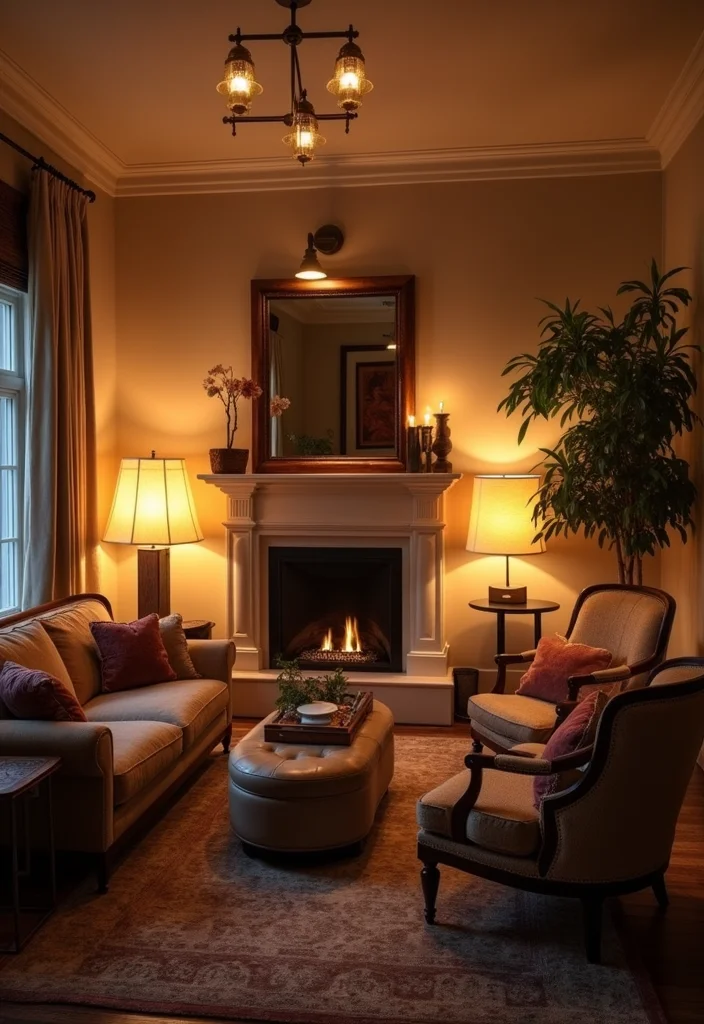
Layered lighting builds depth and mood in a small living room. Combine overhead, floor, and table lamps to cover tasks and ambiance. The right mix makes the room feel larger and more useful. Warm bulbs invite comfort, while brighter lights help tasks. Dimmers let you change mood in seconds.
Place lighting to brighten corners and highlight favorites. Use decorative lamps as part of the decor.
• Use dimmers to adjust mood for daily life
• Incorporate decorative lamps as part of your decor
• Place lighting strategically to avoid dark corners
• Combine overhead, floor, and table lamps for balance
Layered lighting makes a small room feel larger and more alive.
Layered Lighting
Editor’s Choice

12 Pack BR30 LED Recessed Light Bulb, Dimmable Indoor Flood Light Bulbs …

PHILIPS LED 100W A19 4-Pack Selectable White Multi-CCT 1500 Lumen (14W =…

Dimmable Light Bulb, 100 Watt Equivalent LED Bulbs, E26 14W 1600LM 5000K…

Nourison Home 23″ Grey Vintage Distressed Ceramic Pot Table Lamp for Bed…

Industrial Table Lamps for Bedrooms Set of 2 – Fully Dimmable Bedside La…
11. Built-In Storage Solutions
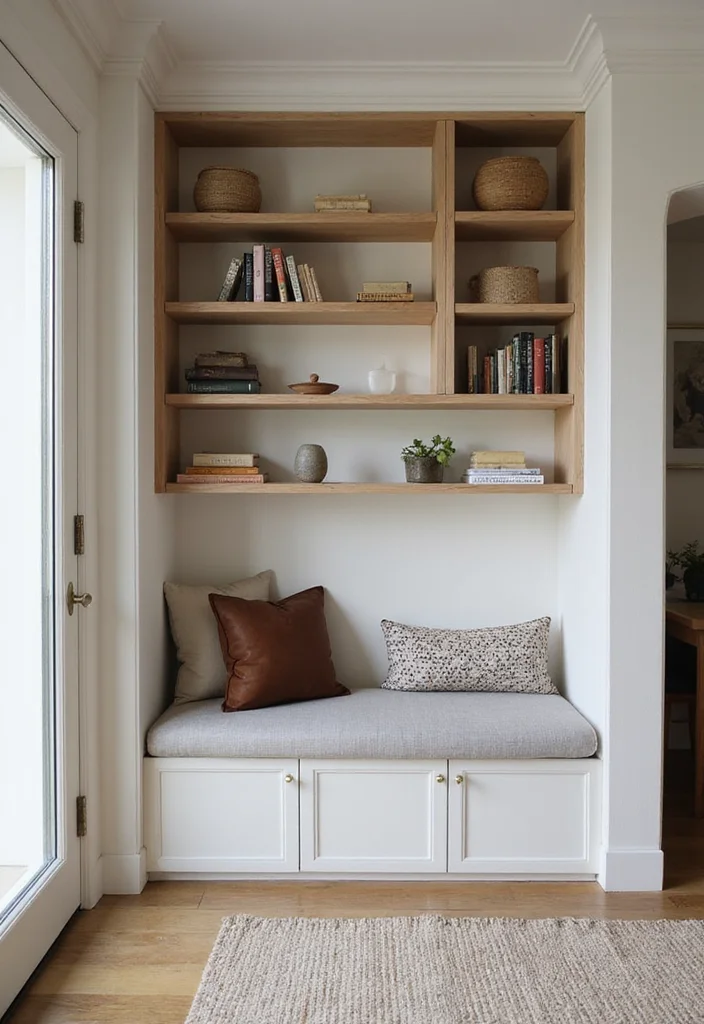
Built-in storage helps you save space and keep things tidy. Benches with hidden storage and wall shelves blend with the room, giving you more room to breathe. Finishes should match your decor for a seamless look. These built-ins keep essentials within reach while staying neat.
Consider custom options that fit your space. Use decorative boxes on shelves for a tidy touch. Use vertical shelves and cabinets to draw the eye upward.
• Consider built-in benches with hidden storage for compact rooms
• Use a consistent finish to blend with decor
• Add decorative boxes on shelves for tidy appeal
• Leverage tall cabinets to draw the eye upward
Smart built-ins make a small living room feel larger.
Built-In Storage Solutions
Editor’s Choice

2-Tier Storage Bench, Shoe Bench with Thickened Padded Seat Cushion, Ent…

HOMEFORT 39.4″ Fluted Shoe Storage Bench, Entryway Bench with Linen Seat…

Amada Shoe Storage Bench, Entryway Bench with Cushioned Seat & Lift Top …
Pipishell 2-Tier Shoe Storage Bench with Cushioned Seat, Entryway Bench …

Shoe Storage Bench, 2 Tier Shoe Bench with Padded Seat Cushion & 4 Barn …
12. Glass Elements for Openness
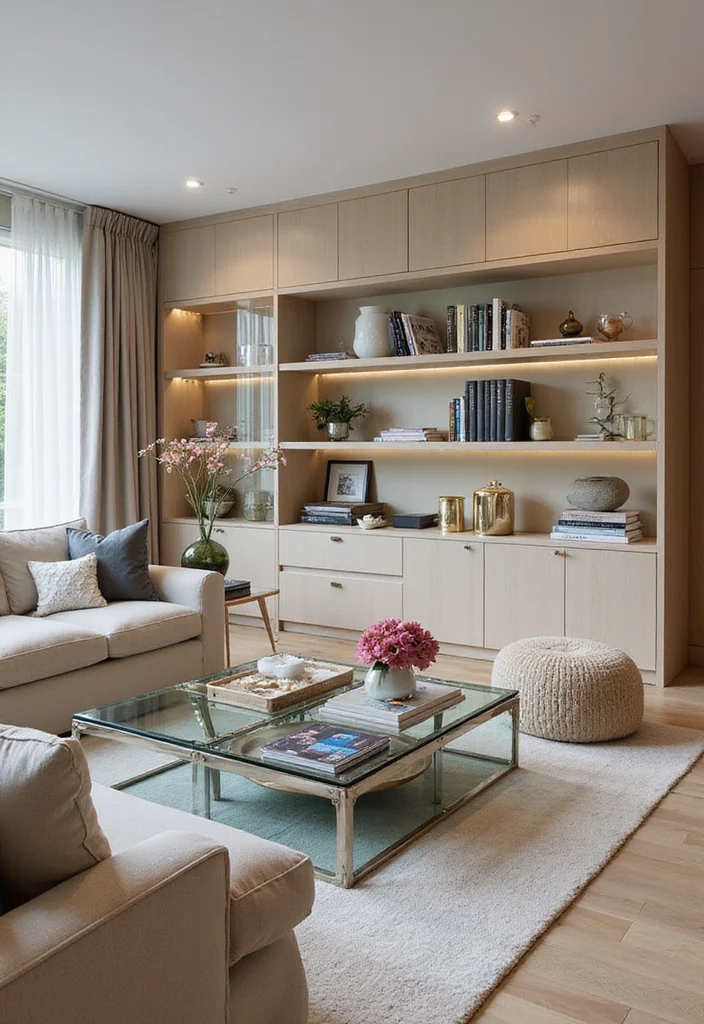
Glass elements lighten a room and keep it feeling airy. A glass coffee table, side tables, or transparent shelving lets light move through. Balance the sleek feel with cushions and wood for warmth. Mirrors can double light when placed right.
Keep glass clean to stay bright. Avoid heavy dark furniture that weighs space. Pair glass with soft fabrics and wood tones.
• Use mirrors to reflect light and create depth
• Avoid heavy furniture that weighs space
• Pair glass with warm fabrics and wood tones
• Keep glass surfaces clean to stay bright
Glass keeps the room feeling open and fresh.
Fun fact: glass elements can make a small living room feel up to 25% more open by letting light flow through. Pair a glass coffee table with soft fabrics and wood for warmth.
Glass Elements for Openness
Editor’s Choice

Premium Tempered Glass Coffee Table,Small Modern Clear Coffee Table for …

Modern Glass Coffee Table for Living Room, Small mid Century Coffee Tabl…
Glass Coffee Table Modern Center Table,Minimalist Coffee Table Sofa Side…

ReunionG Glass Coffee Table, Modern Clear Coffee Table with Rounded Edge…

Modern Glass Coffee Table, Coffee Table for Living Room,Tempered Glass-t…
13. Textured Accents
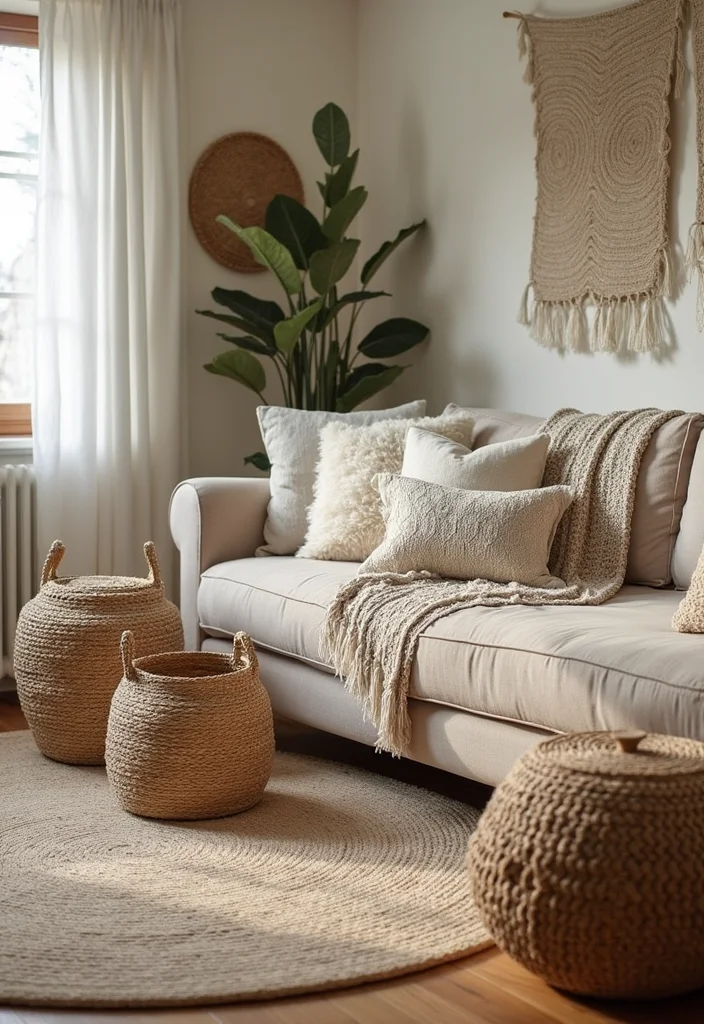
Textures add warmth and character to a small living room. Try woven baskets, plush rugs, and knitted throws to introduce depth. Layered textures make the space feel rich without stuffing it full. Let different textures meet your color palette for harmony.
Mix textures mindfully to avoid cluttered visuals and feel. Use pillows and throws to soften hard furniture. Choose colors that harmonize with the palette. Consider natural fibers like jute or wool for coziness.
• Mix textures mindfully to avoid cluttered visuals and feel
• Use pillows and throws to soften hard furniture
• Choose colors that harmonize with the palette
• Consider natural materials like jute or wool textiles
Textured accents bring warmth and personality to life.
Textured Accents
Editor’s Choice

Bigacogo Chunky Knit Throw Blanket for Couch, 40×60 inches, 100% Hand Kn…

L’AGRATY Chunky Knit Blanket Throw,Soft Chenille Yarn Throw 50×60,Handma…

Chunky Knit Throw Blanket, 50”*60” Knitted Throw Chenille Yarn for Bed…

Admitrack Chunky Knit Blanket Throw 51″x63″, 100% Hand Knit Chenille Thr…

Snuggle Sac Leopard Throw Blanket for Couch Bed Sofa 50×60 inches, Rever…
14. Outdoor-Indoor Flow
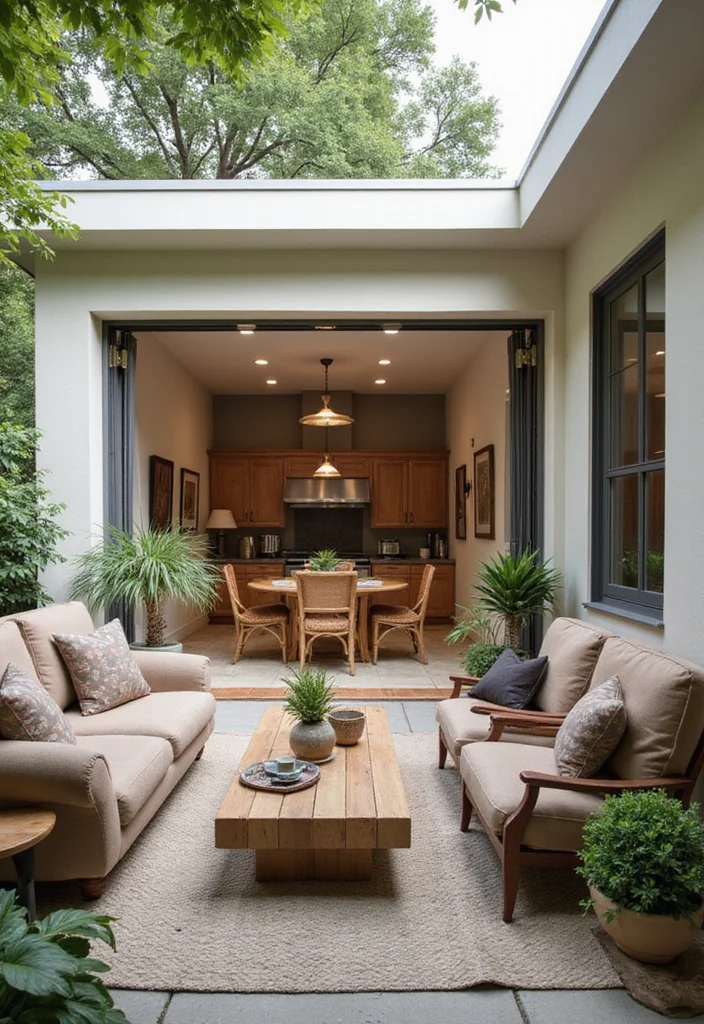
If your living room opens to outdoors, blend the spaces for a bigger feel. Use similar colors, materials, and furniture to create a smooth link. Sliding doors let in light and connect you with nature. A small outdoor seating area mirrors the indoors to expand the sense of space.
Choose outdoor fabrics for cushions so they stay fresh longer. Bring in plants on both sides to create continuity. Keep walkways clear for easy movement between indoors and out.
• Use outdoor-friendly fabrics for cushions and throws
• Incorporate plants on both sides for continuity
• Keep pathways clear for easy movement
• Mirror interior colors with outdoor hues for cohesion
A seamless flow makes indoors feel connected to nature.
Outdoor-Indoor Flow
Editor’s Choice

Favoyard Outdoor Seat Cushion Set 24 x 24 Inch Water-Resistant & Fade-Re…

Outdoor Seat Cushion Set, Waterproof & Fade Resistant Patio Chair Cushio…

Honeycomb Outdoor Heritage Deep Seat, 24 x 23, Textured Solid Indigo Blu…

HOMREST Outdoor Replacement Cushions for Patio Furniture,Water-Repellent…

Arden Outdoor Deep Seat Cushion Set, 24 in x 24 in, Weather-Proof, Rain-…
Conclusion
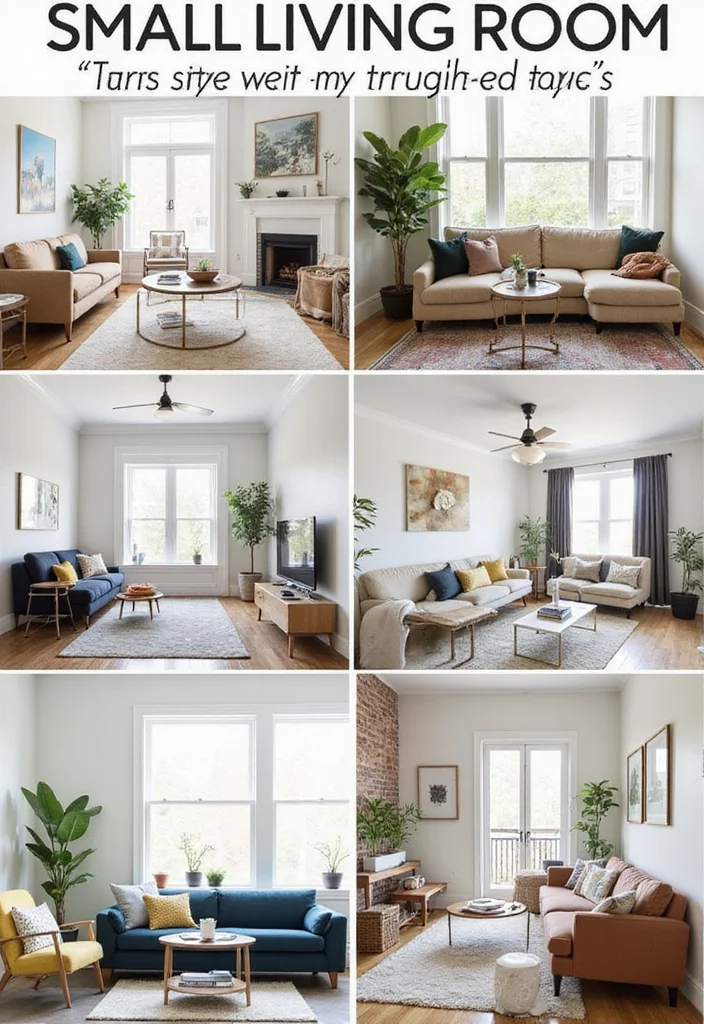
Designing a small living room doesn’t have to feel limiting.
With these 14 living room layout ideas, you can create a functional and beautiful space that reflects your style.
Embrace these tips for a balanced flow and cozy atmosphere, ensuring that every inch of your living room serves a purpose.
Note: We aim to provide accurate product links, but some may occasionally expire or become unavailable. If this happens, please search directly on Amazon for the product or a suitable alternative.
This post contains Amazon affiliate links, meaning we may earn a small commission if you purchase through our links, at no extra cost to you.
Frequently Asked Questions
What Are Some Key Factors to Consider When Planning My Living Room Layout?
When planning your living room layout, consider factors like space optimization, traffic flow, and functionality. Think about how you use the space daily and arrange furniture to facilitate easy movement.
Also, prioritize natural light and focal points in the room, such as a fireplace or television, to enhance the overall ambiance. Remember, a well-thought-out layout can create a cozy living space that feels welcoming and efficient!
How Can I Arrange Furniture in a Small Living Room Effectively?
Arranging furniture in a small living room can be a fun challenge! Start by choosing multi-functional furniture, like ottomans with storage or a sofa bed. Place larger pieces against the wall to free up floor space and create a sense of openness.
Consider using area rugs to define different zones within the room, and opt for lighter colors to make the space feel larger. Don’t forget to leave enough room for movement, ensuring a balanced flow throughout the area.
What Are Some Modern Decor Styles That Work Well in Small Living Rooms?
When it comes to modern decor styles for small living rooms, minimalism and Scandinavian design are top contenders! These styles emphasize simplicity, functionality, and light colors, making them perfect for compact spaces.
Incorporate sleek furniture, natural materials, and a few statement pieces. Layer textures through cushions and throws for warmth, and use mirrors to visually expand the room. This approach not only enhances the aesthetic but also maintains a cozy atmosphere.
How Can I Make My Living Room Feel Cozier Without Compromising Space?
Creating a cozy living room in a small space is all about smart decor choices. Use soft textiles like plush throws, cushions, and area rugs to add warmth and comfort without overwhelming the room.
Incorporate warm lighting through lamps or fairy lights, and choose a color palette that includes warm tones. Adding personal touches like artwork or family photos can also create an inviting atmosphere while maintaining a stylish look!
What Are Some Tips for Optimizing Space in My Living Room?
To optimize space in your living room, consider using vertical storage solutions like tall bookshelves or wall-mounted shelves to draw the eyes upward and save floor space. Choose furniture that serves multiple purposes, such as coffee tables with storage.
Additionally, keep the decor minimal and declutter regularly to maintain an airy feel. Using light colors and mirrors can also help create an illusion of a larger space, making your living room feel both functional and spacious.
Related Topics
living room layout
small space living
furniture arrangement
space optimization
cozy interiors
modern decor
interior design tips
functional flow
easy layouts
minimalist design
trending styles
beginner friendly